When we were telling people about our trip itinerary, we got almost as many blank stares about Tonga as we did for the Congo. People were similarly curious, and wanted to know:
- Where in the world is Tonga?
- Why in the world would we want to go to Tonga?
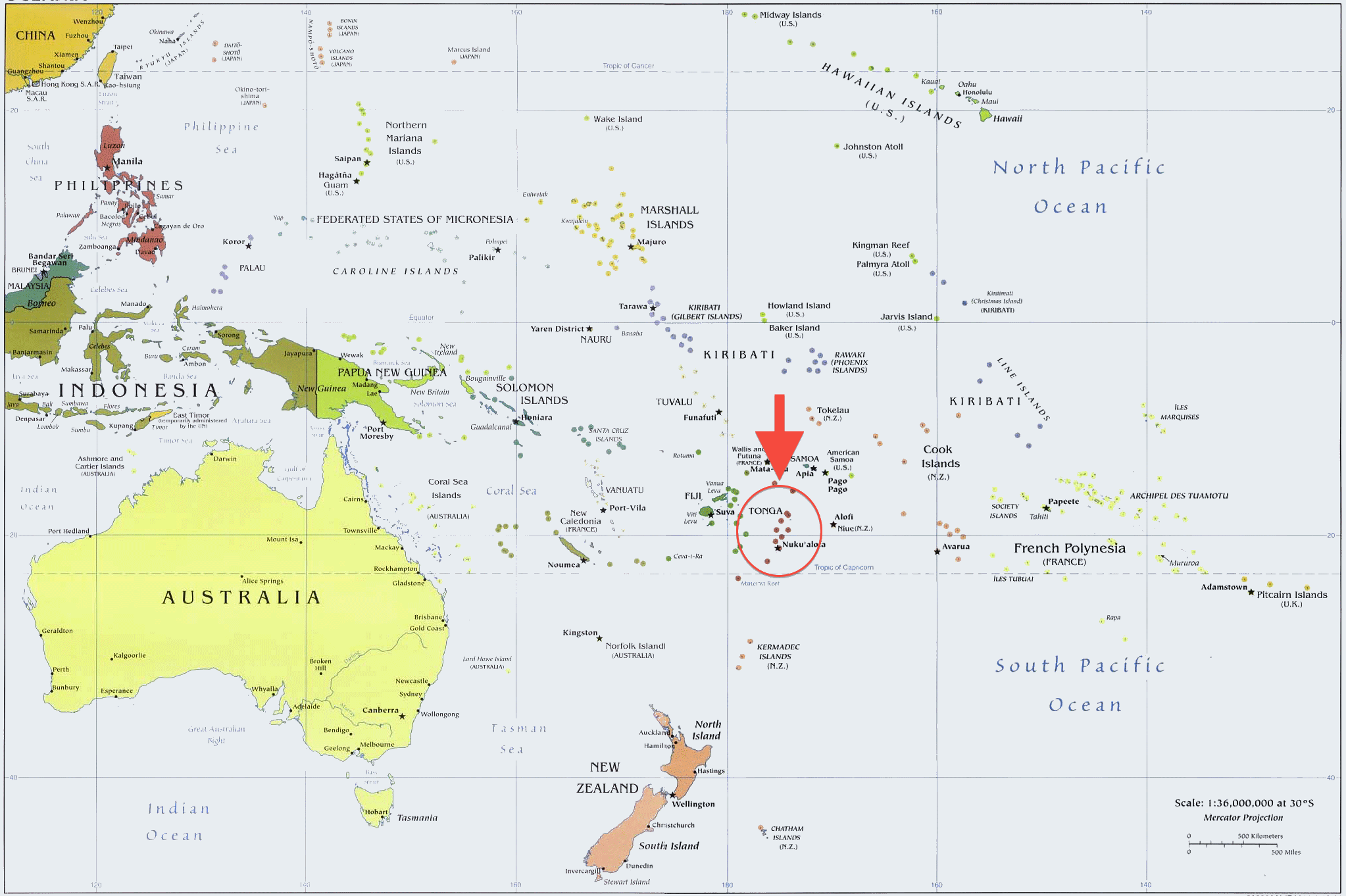 When we were first planning our route, we needed something between Indonesia and home. It was winter in Australia and New Zealand (and we’d been to both places before), rainy season in much of southeast Asia, and we’d both been to Korea, Japan, and Hawaii, so we focused in on the South Pacific. We tossed around Fiji, Samoa, Tahiti/French Polynesia. It was a really tough decision. But ultimately we picked Tonga because we would just happen to be going there during the Humpback whale migration, and Tonga, for some insane reason, is crazy enough to let people swim with these giants.
As it turned out, stopping over in Tonga didn’t really end up making much sense logistically, as we had to backtrack to Sydney at pretty much every leg, resulting in a very circuitous route. This is because Tonga is teeny tiny and very few people outside of Australia and New Zealand go there. The upshot is that it took us 25 hours to travel about 5,500 miles to get to Tonga from Hong Kong (it would take about 10 hours if a direct flight existed). We were looking at a similarly tortuous journey leaving Tonga.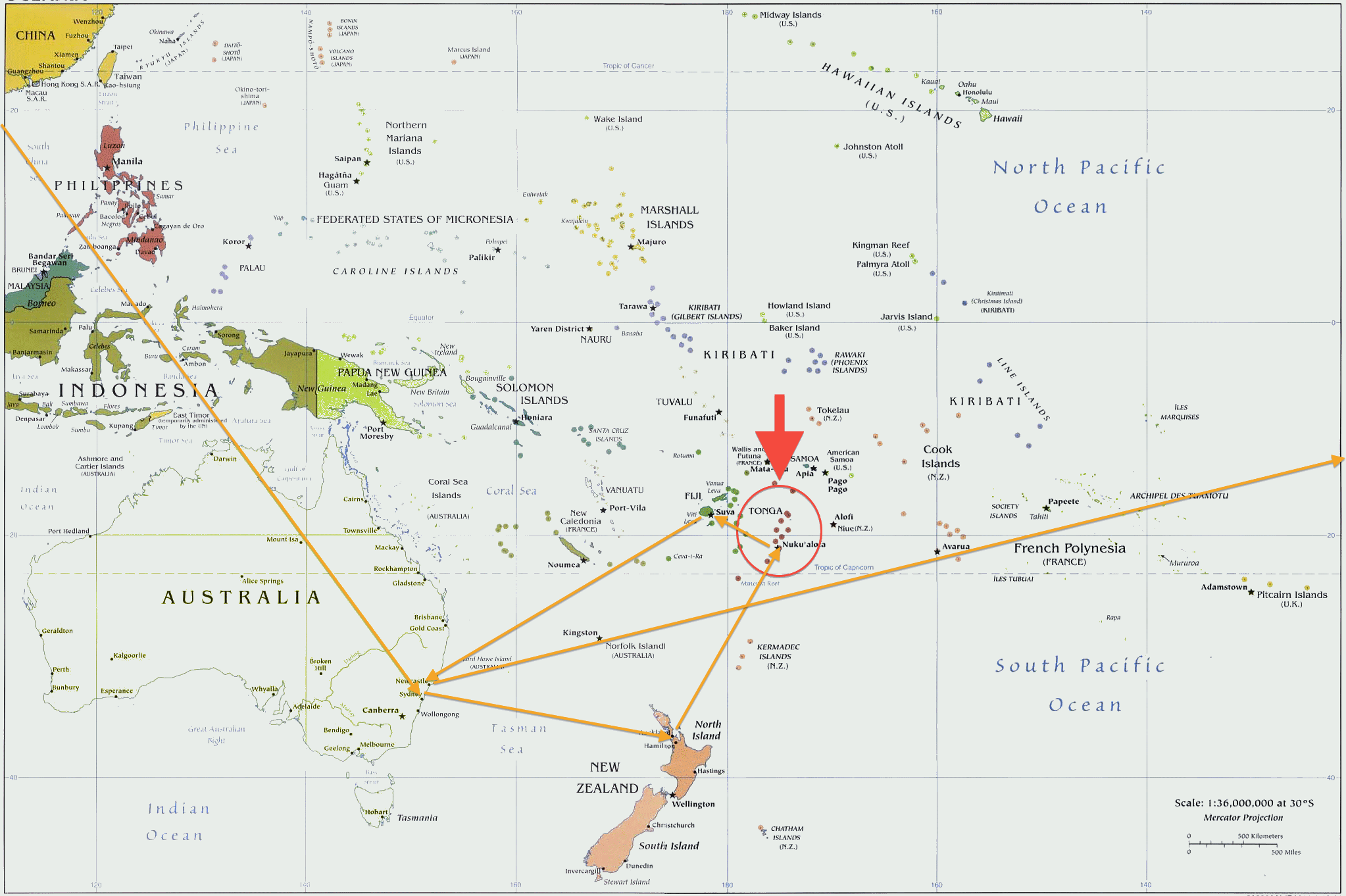 We were therefore exhausted when we finally arrived in Nuku’alofa just before midnight. We were driven to the harbor and got on a boat to our private island in the dark.
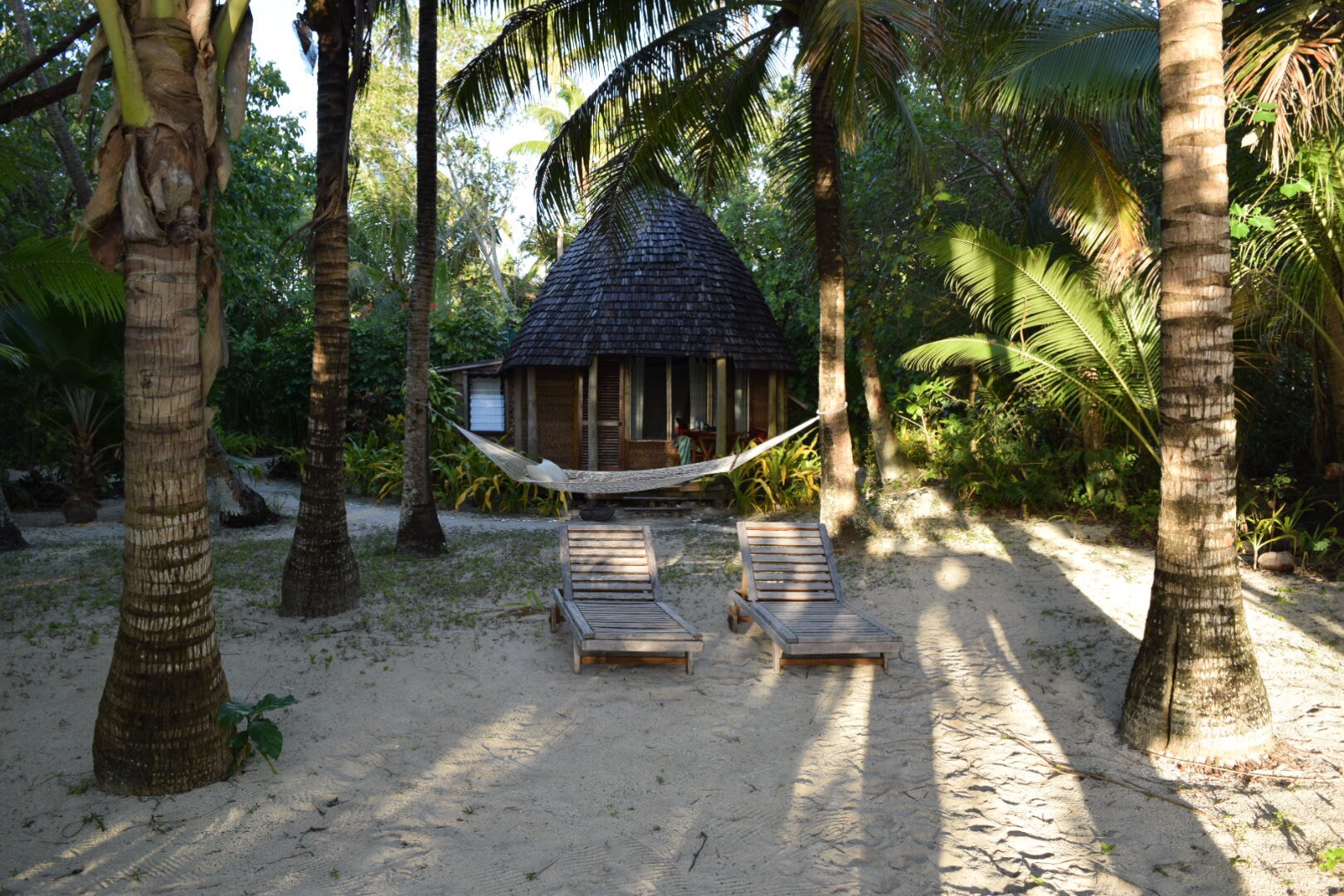
  We woke up in a handmade beach fale, pretty much the textbook definition of tropical paradise.
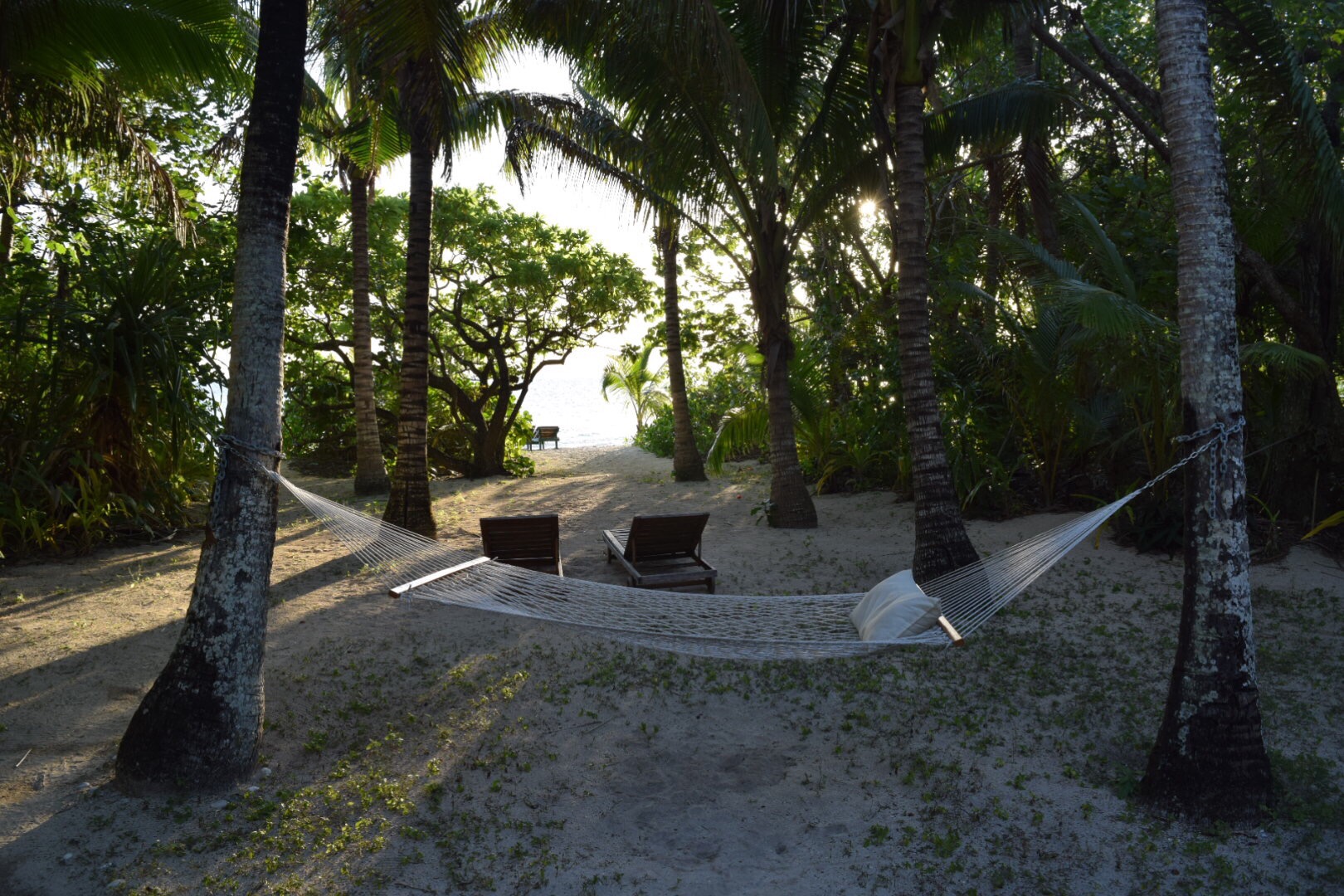 Except it was cold
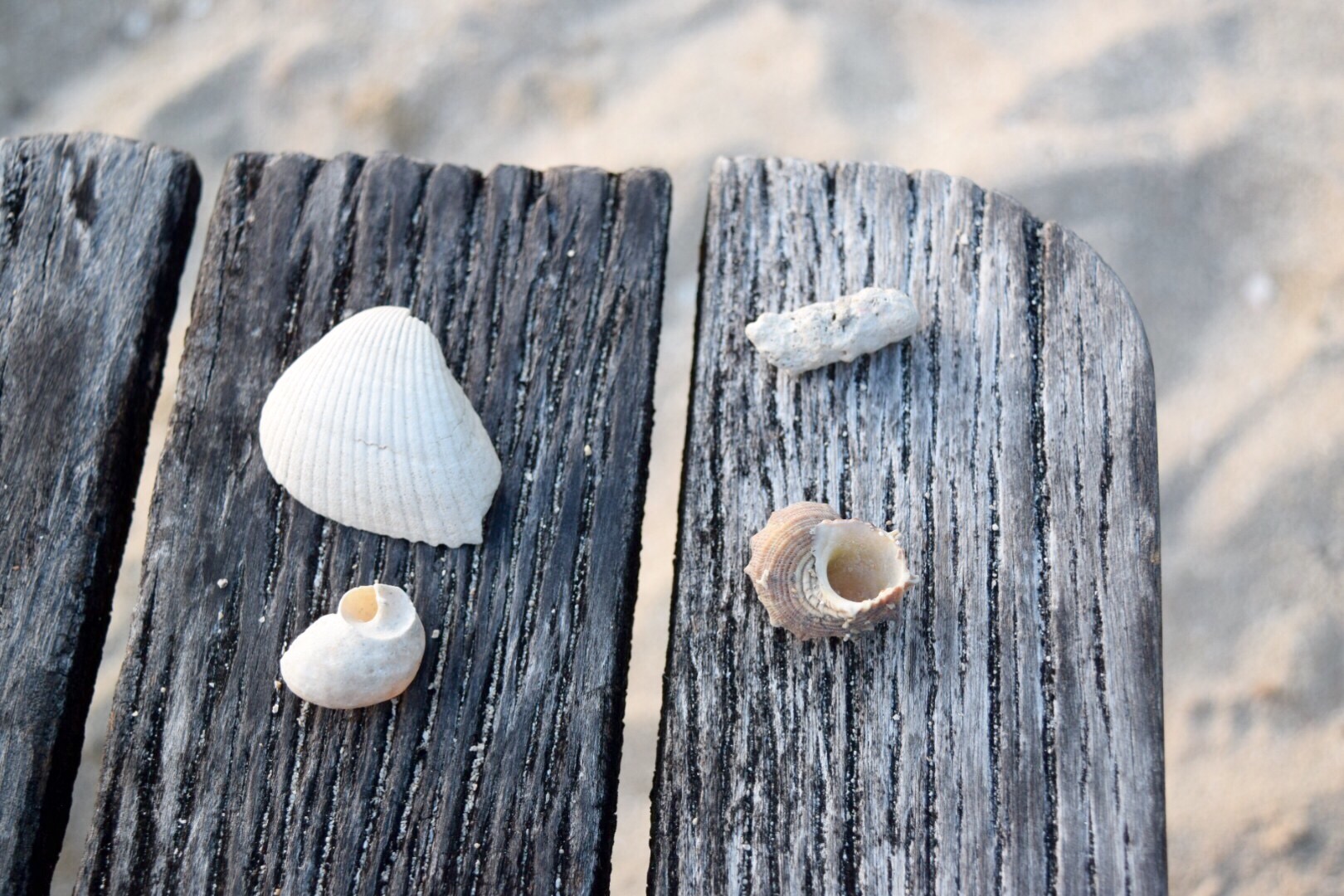
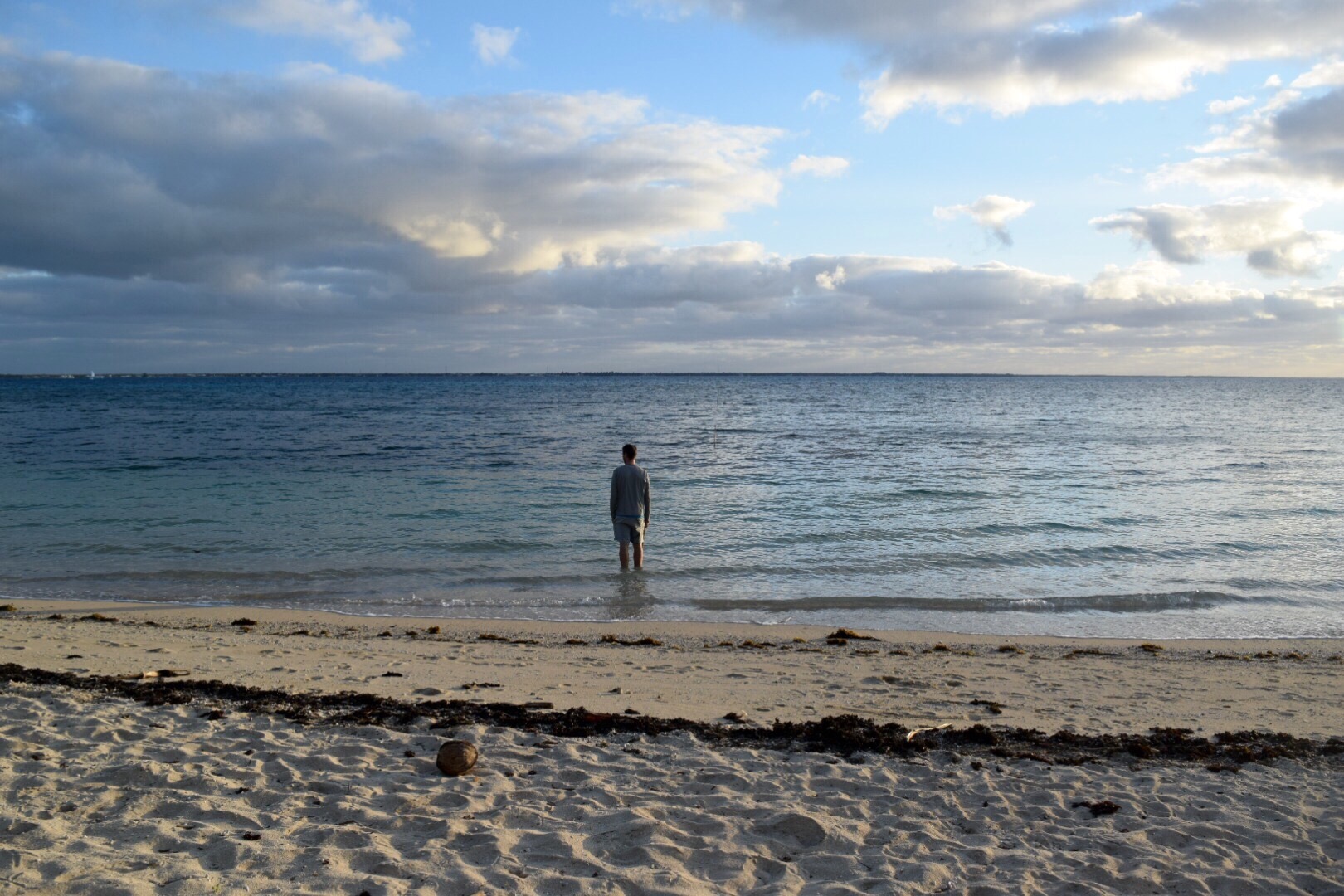 Even though we had previously discovered that Jesse’s limit for idle beach relaxation is 3 hours, we were both exhausted from our travels, and happy to laze around, collecting seashells…
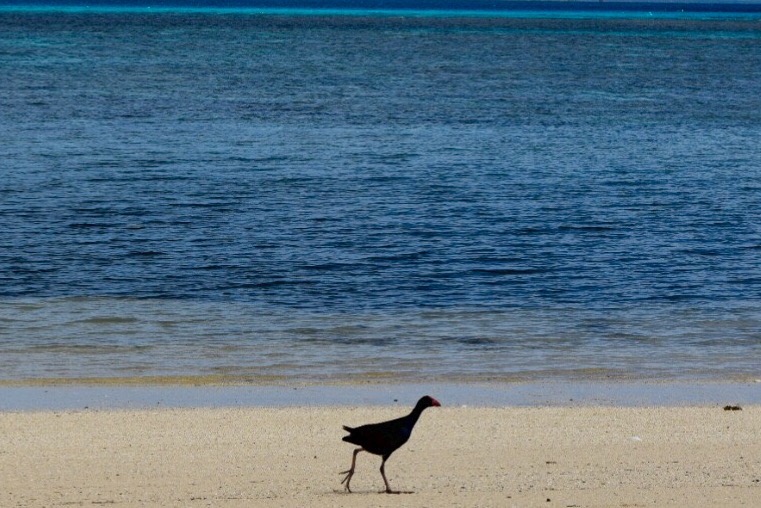
 watching the resident birds, including these guys, whose feet were enormous…
 and staring at the sunset.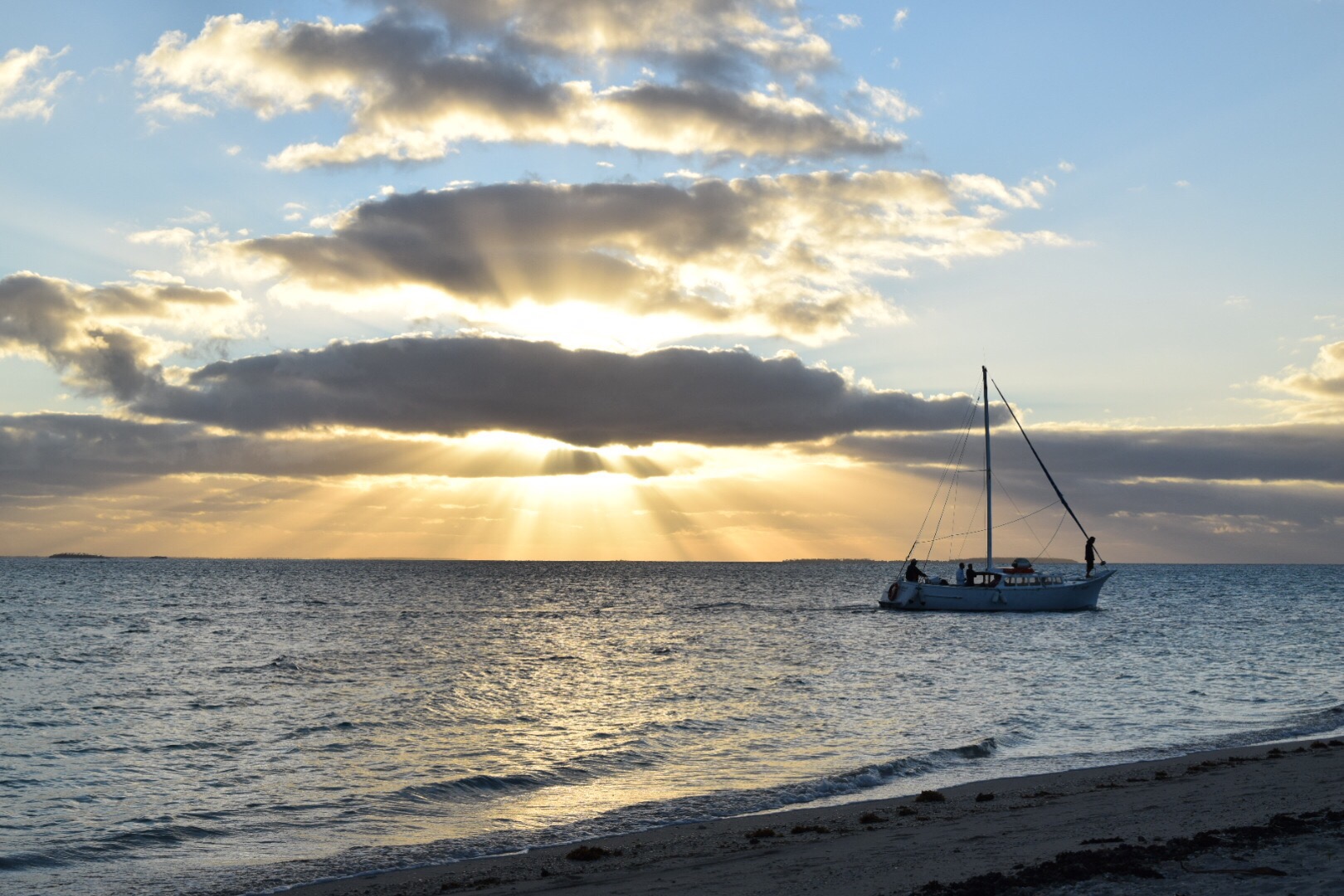
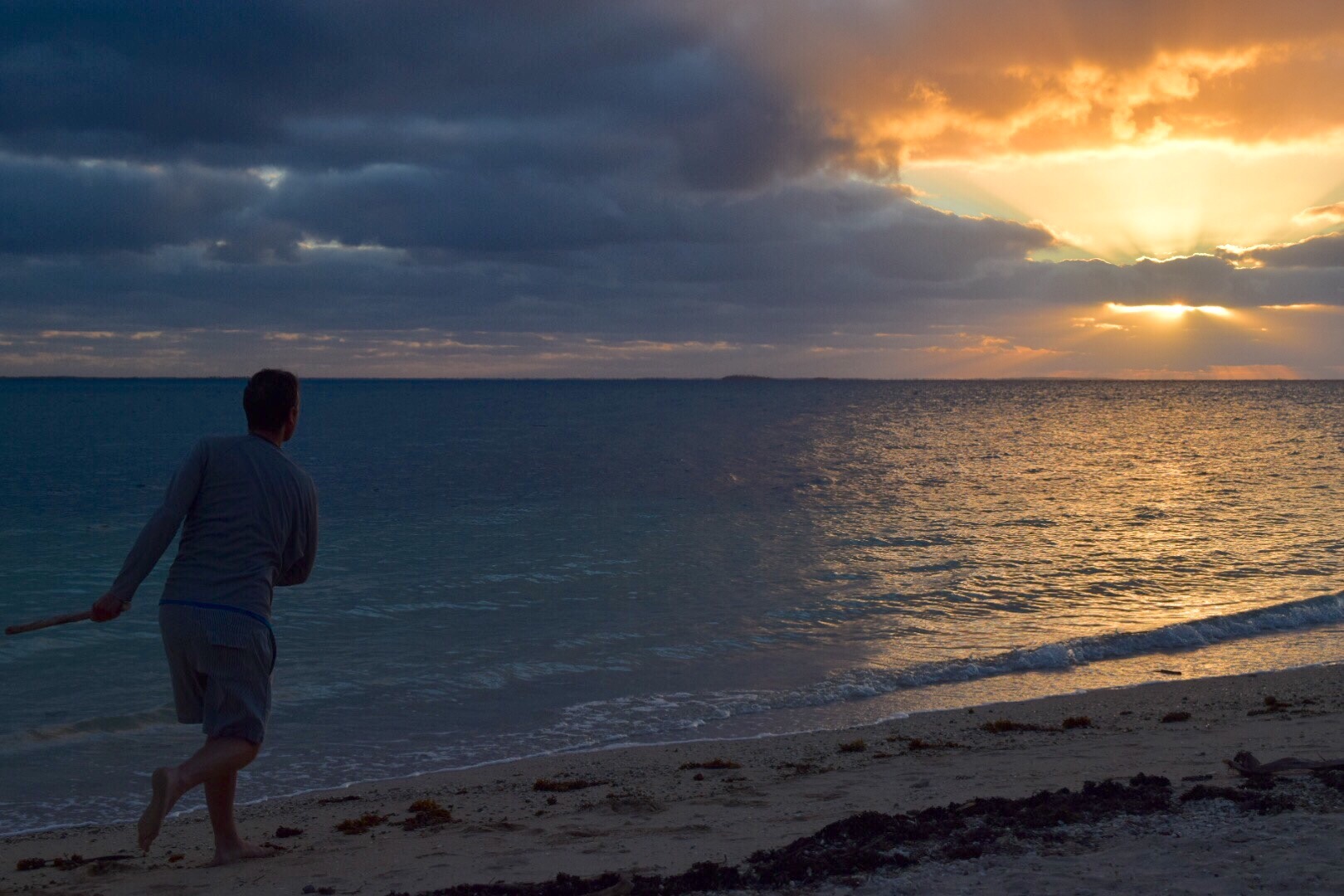
 By the end of the day, Jesse had recovered enough to get bored again, so he played baseball with twigs and shells
 The next day we decided to leave our semi-deserted island to even more remote and fully-deserted Malinoka island for sunbathing and snorkeling. We set off to Malinoka island in a little dinghy.
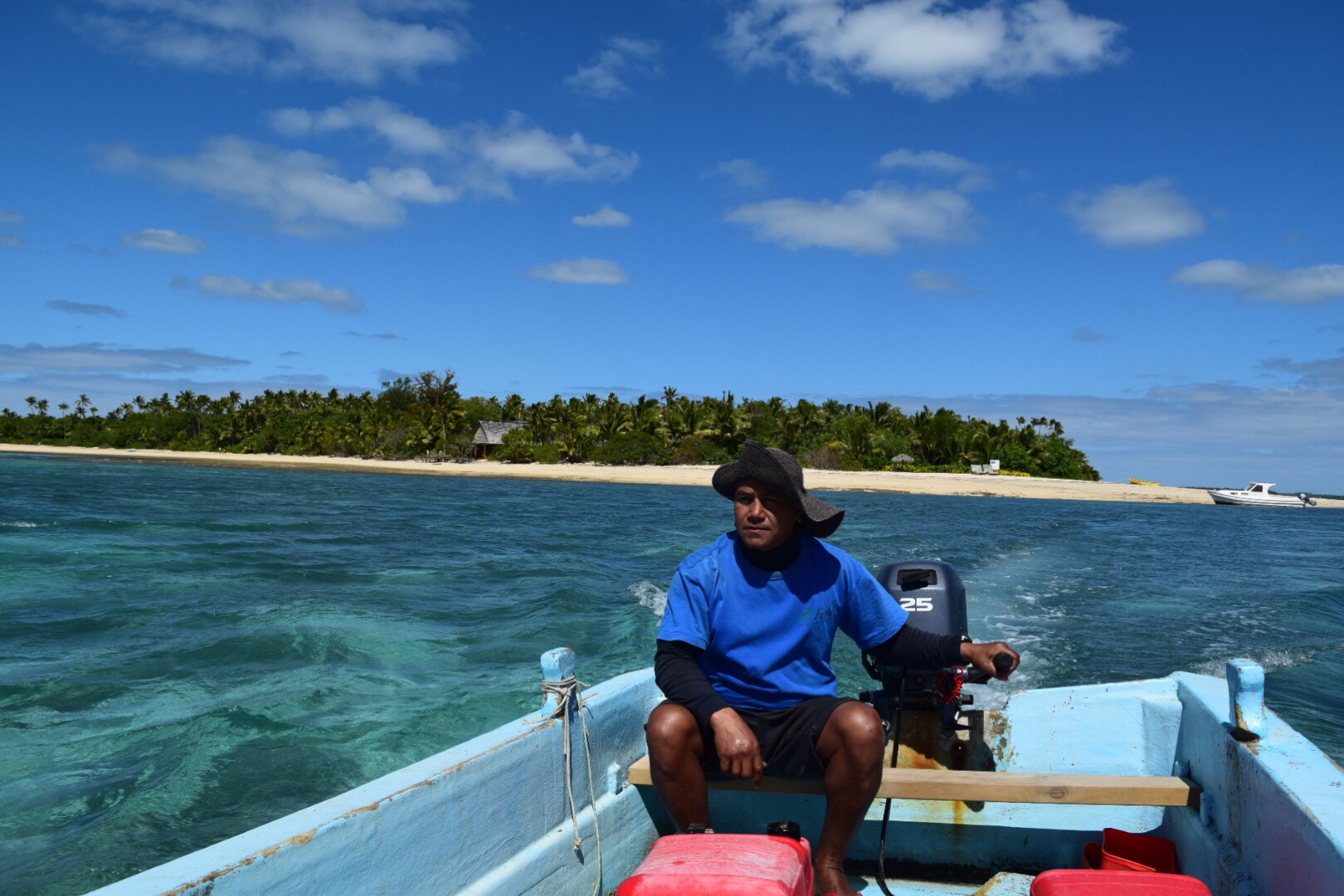 And carefully traversed an obstacle course of a reef through waters consisting of an insane palette of blue making our way to a blindingly white sand beach.
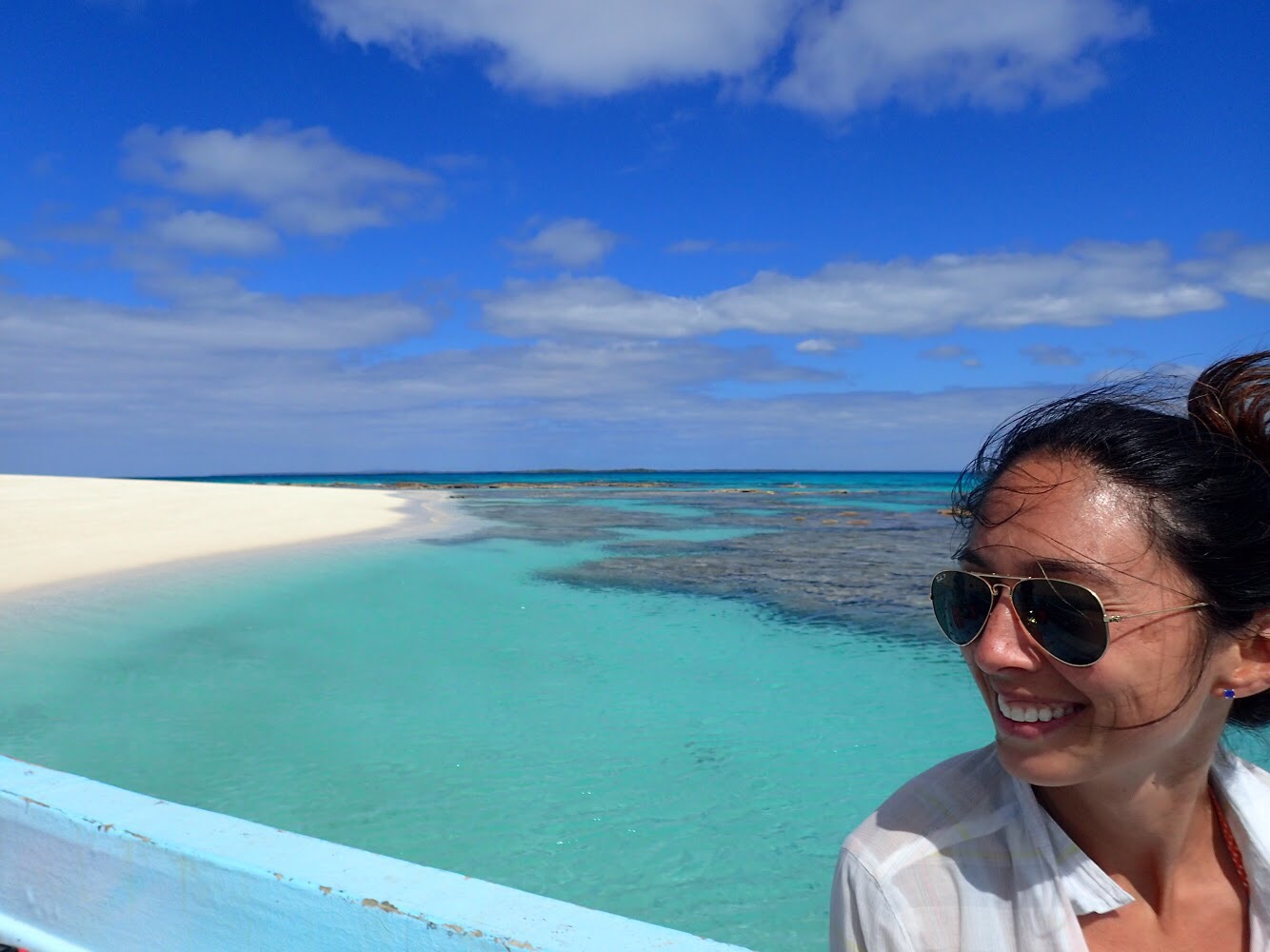 The tide was low so the reef was exposed.
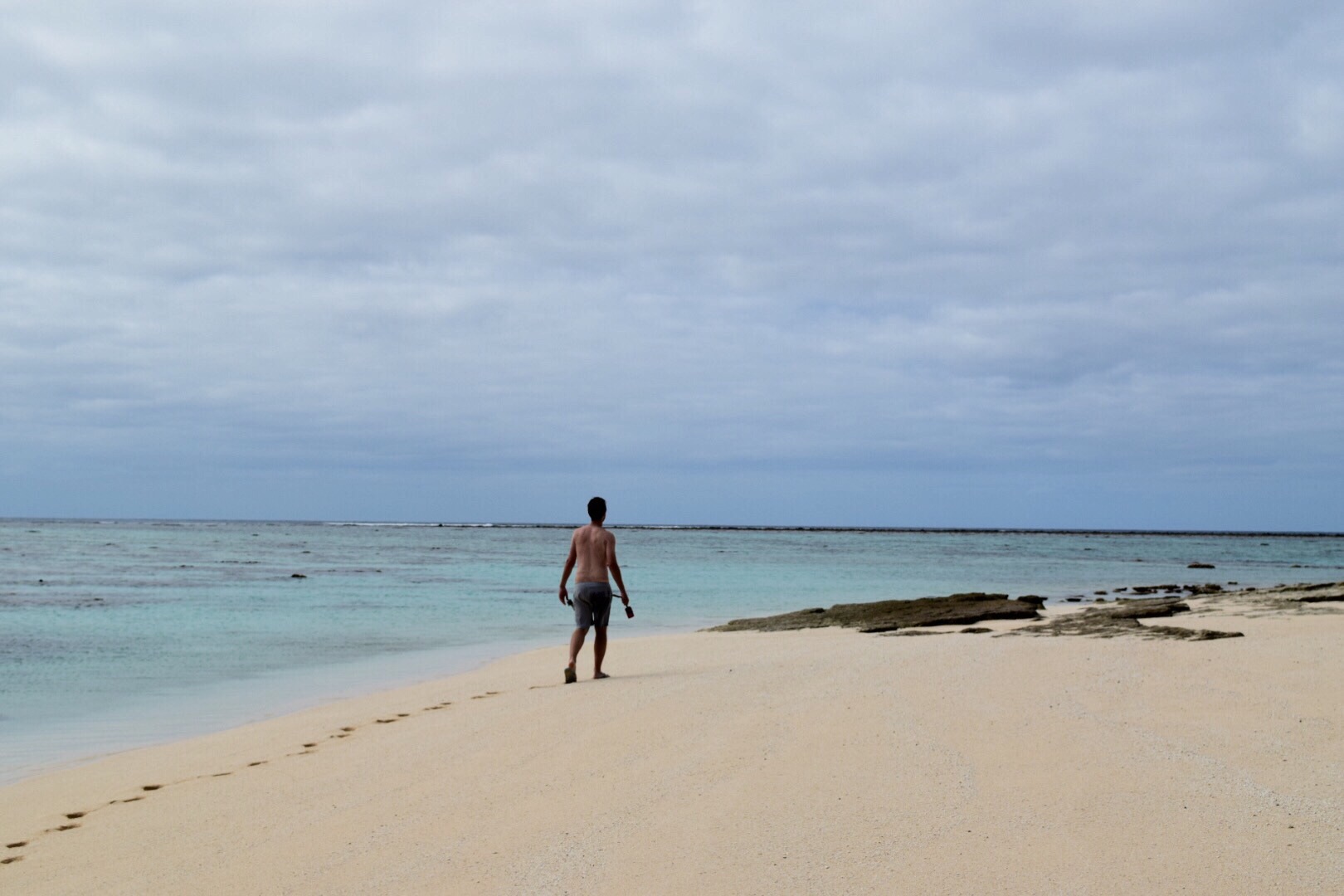
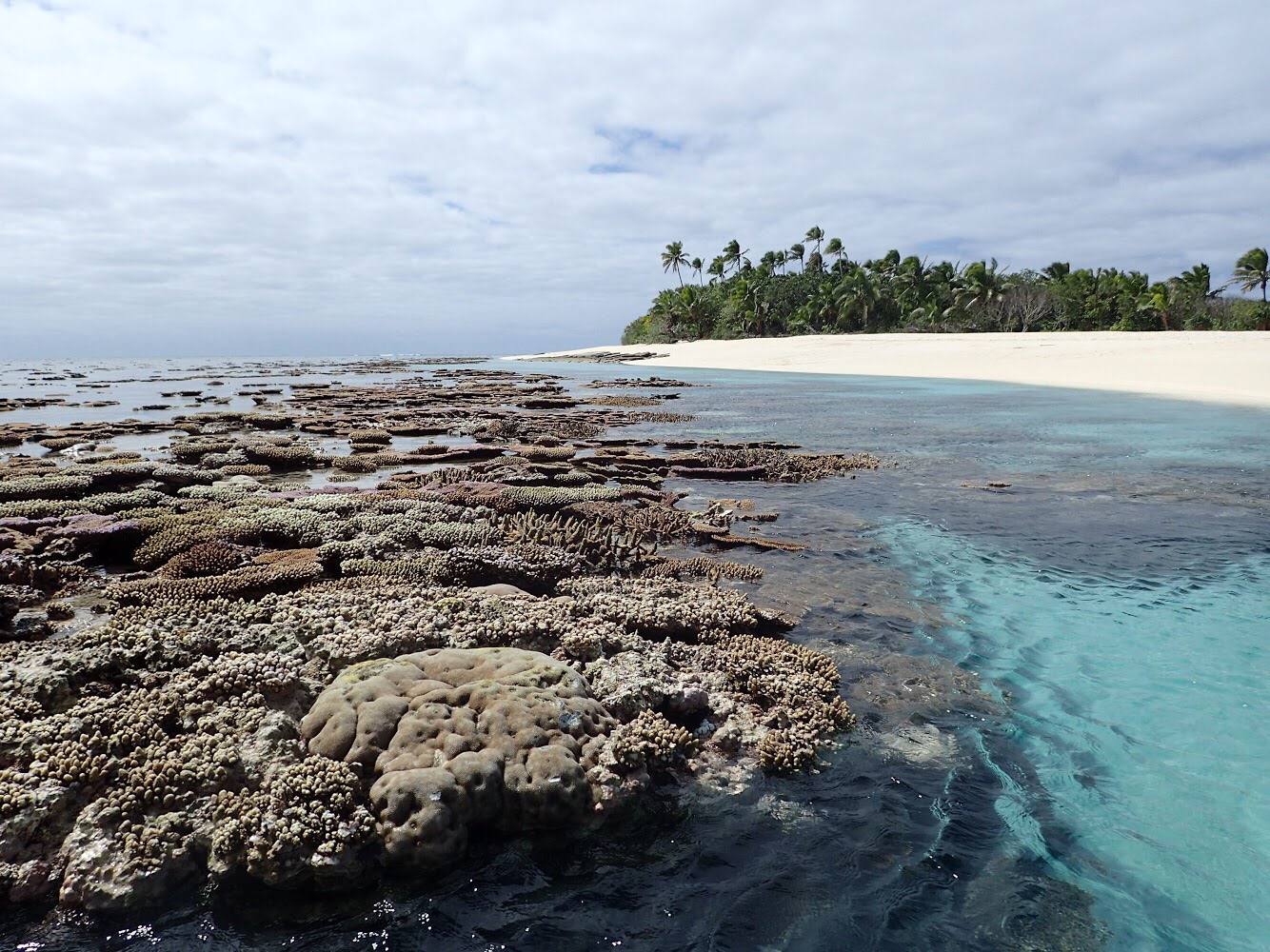 And we circumnavigated the little uninhabited island. It took us 15 minutes.
 Then we went snorkeling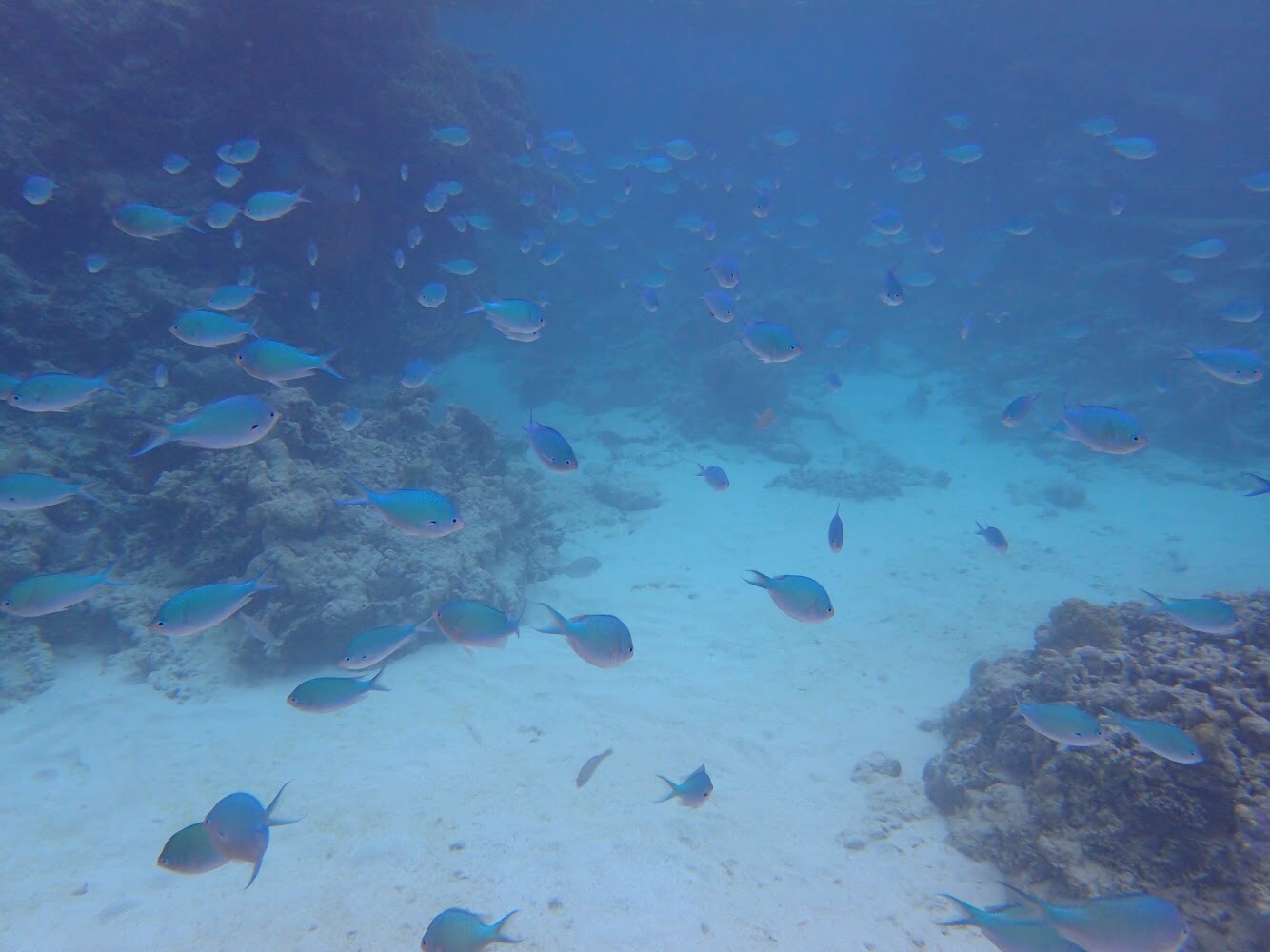
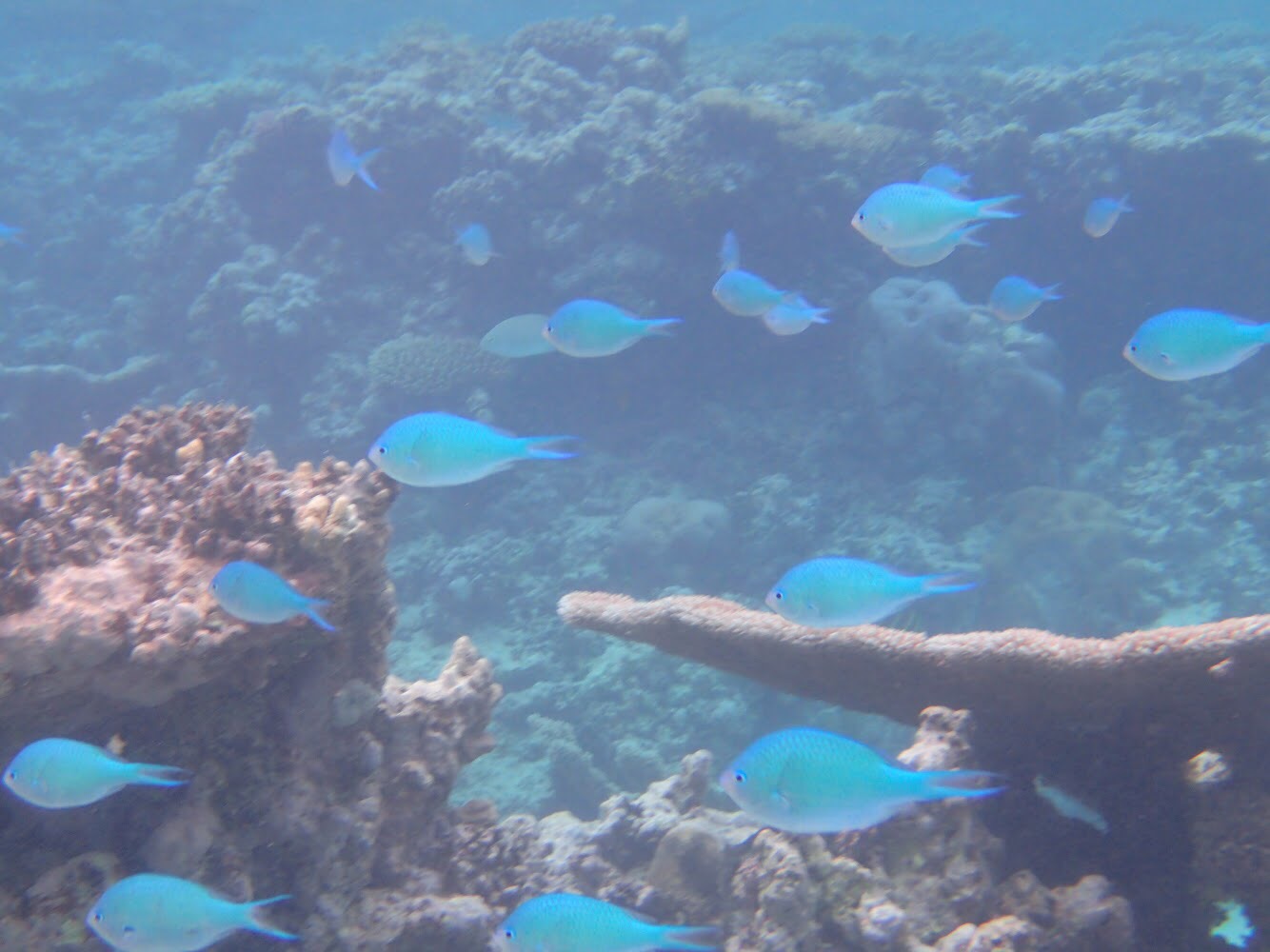
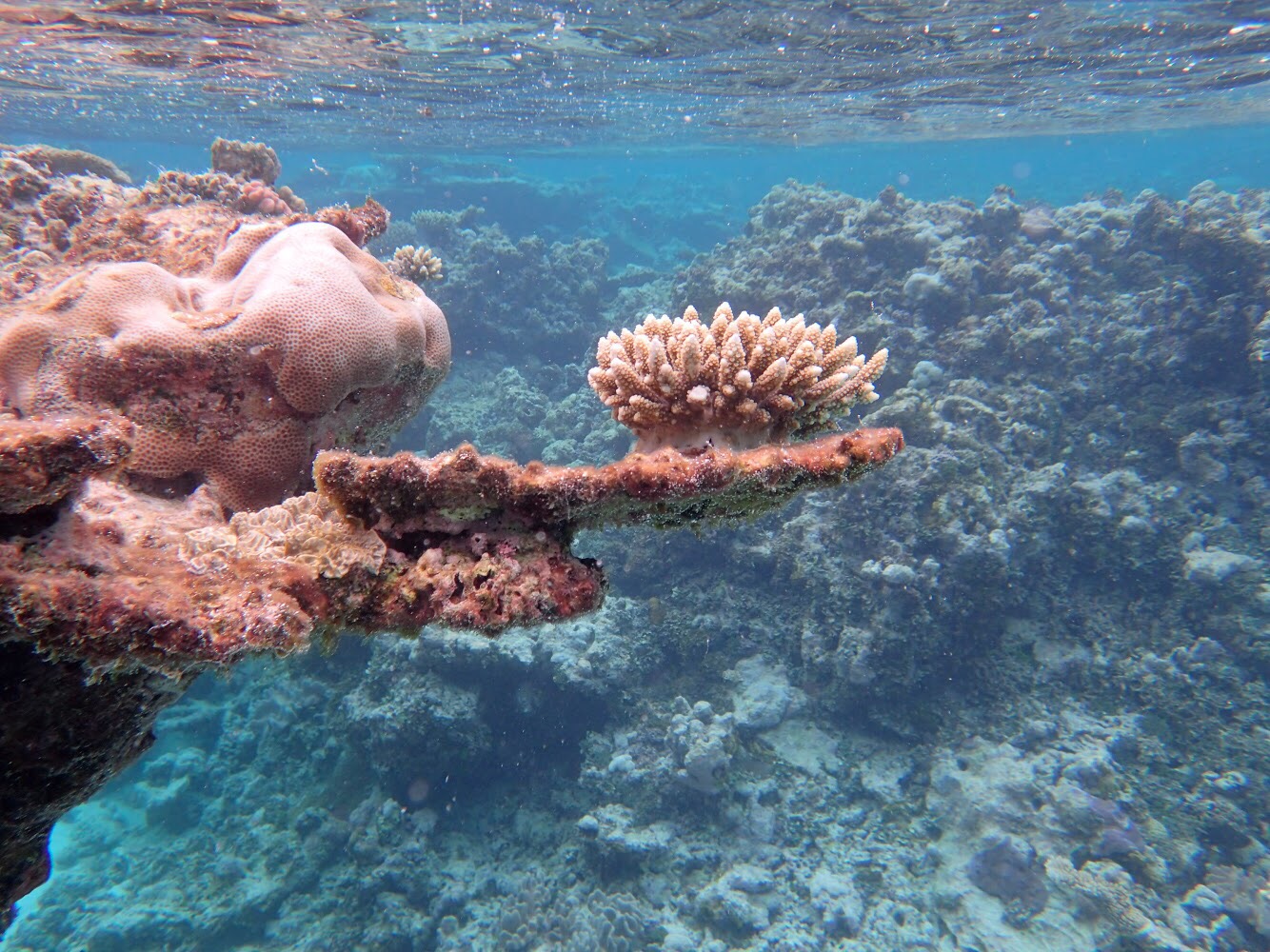
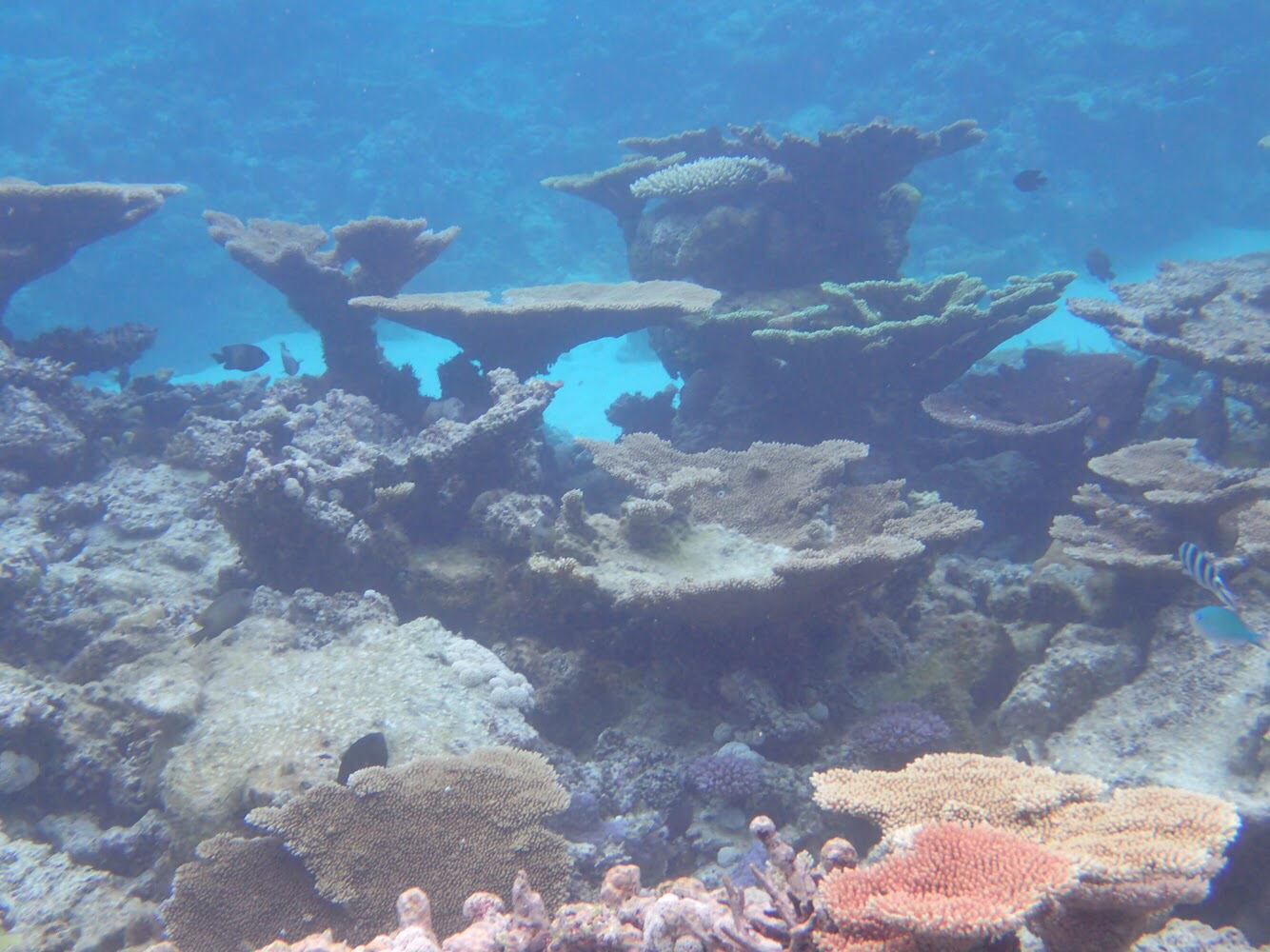 After we were sufficiently cold, we got picked up again and headed back to Fafa island (Malinoka in the background).
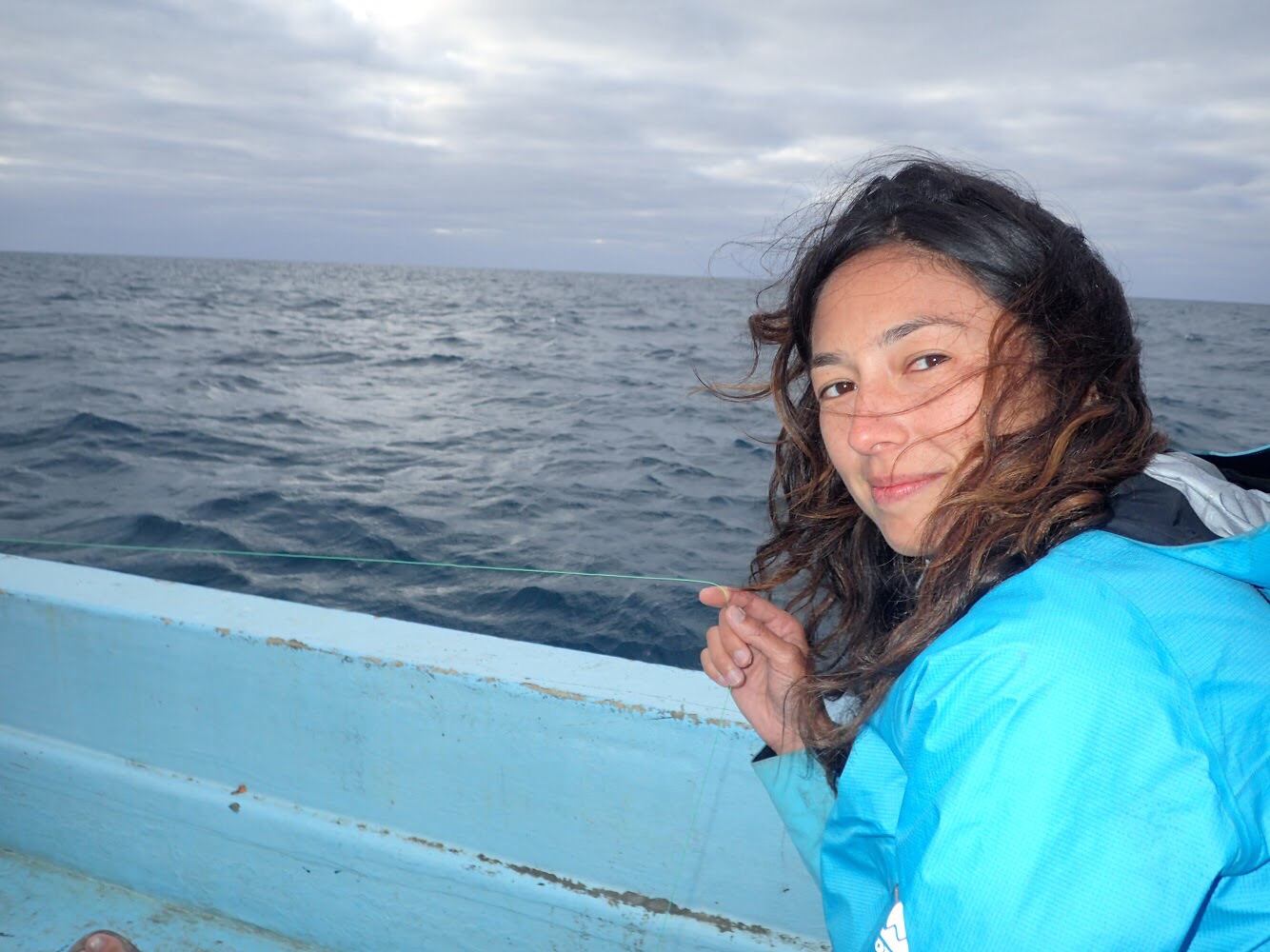
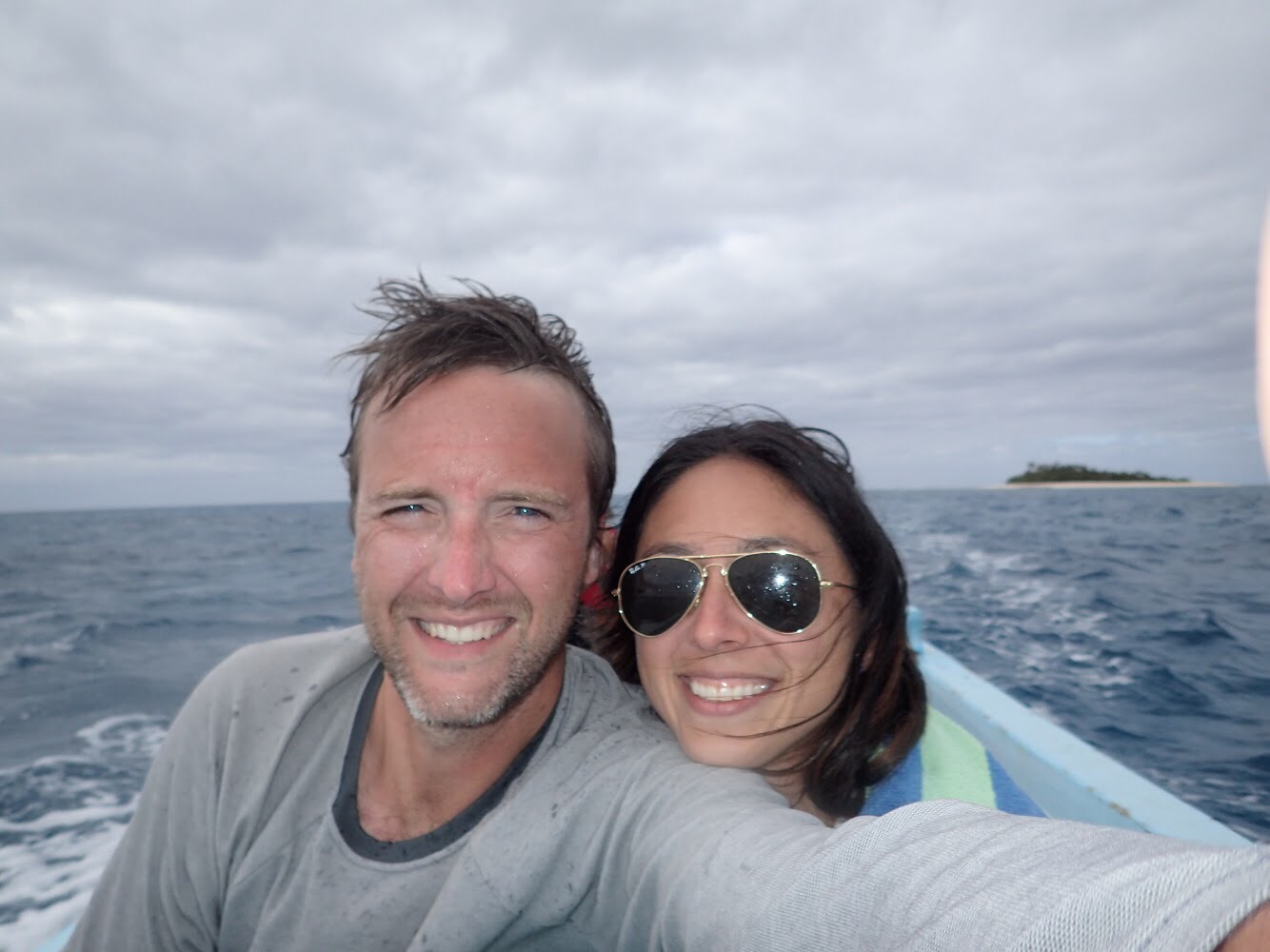 Then immediately set up another activity – reef fishing. There were no reels, so we used a hand line. We had a few battles with huge fish that turned out to be coral, continuing our fishing bad luck streak.
  The next day we went back to the main island, Nuku’alofa, and got to check out a little Tongan culture and history.
Tonga is nicknamed “the friendly islands”, and has been a continous monarchy throughout its history. As it happens, we just missed the crowning of a new king, Tupou VI in July 2015. Tonga was never colonized, and so uniquely preserves a lot of their traditions and culture, although they are mostly now Christian. Very much so in fact – absolutely nothing happens in Tonga on a Sunday – no flights, taxis, boats, tourist activities, businesses and restaurants are closed, etc. The people are also very homogenously Polynesian… and huge! There is a reason international Rugby and American Football teams recruit on the island.
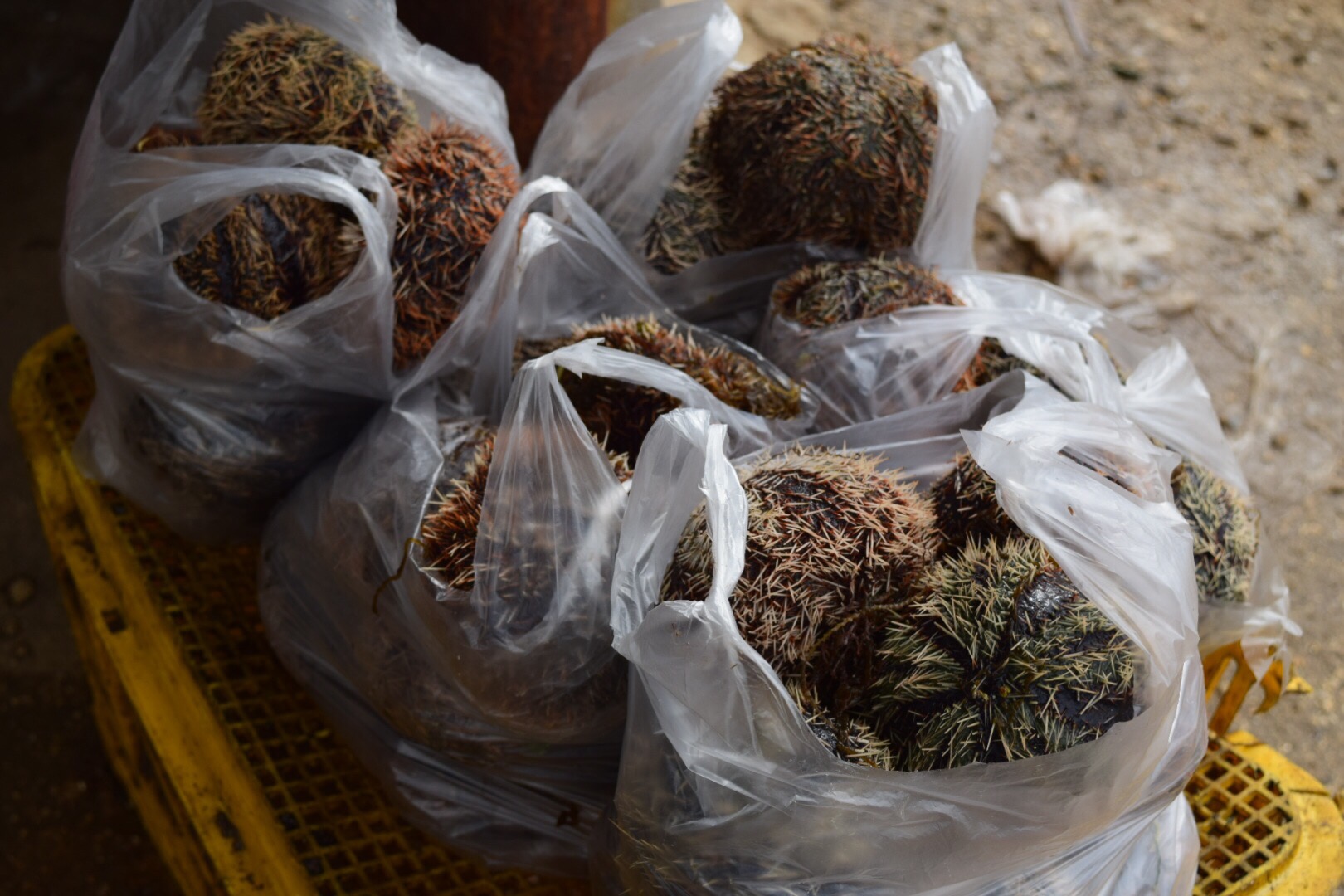
We checked out the fish market (per Jesse’s rules). Notable were fresh cuttlefish – we saw some alive while snorkeling, and they are a beautiful purple color, but can change hue.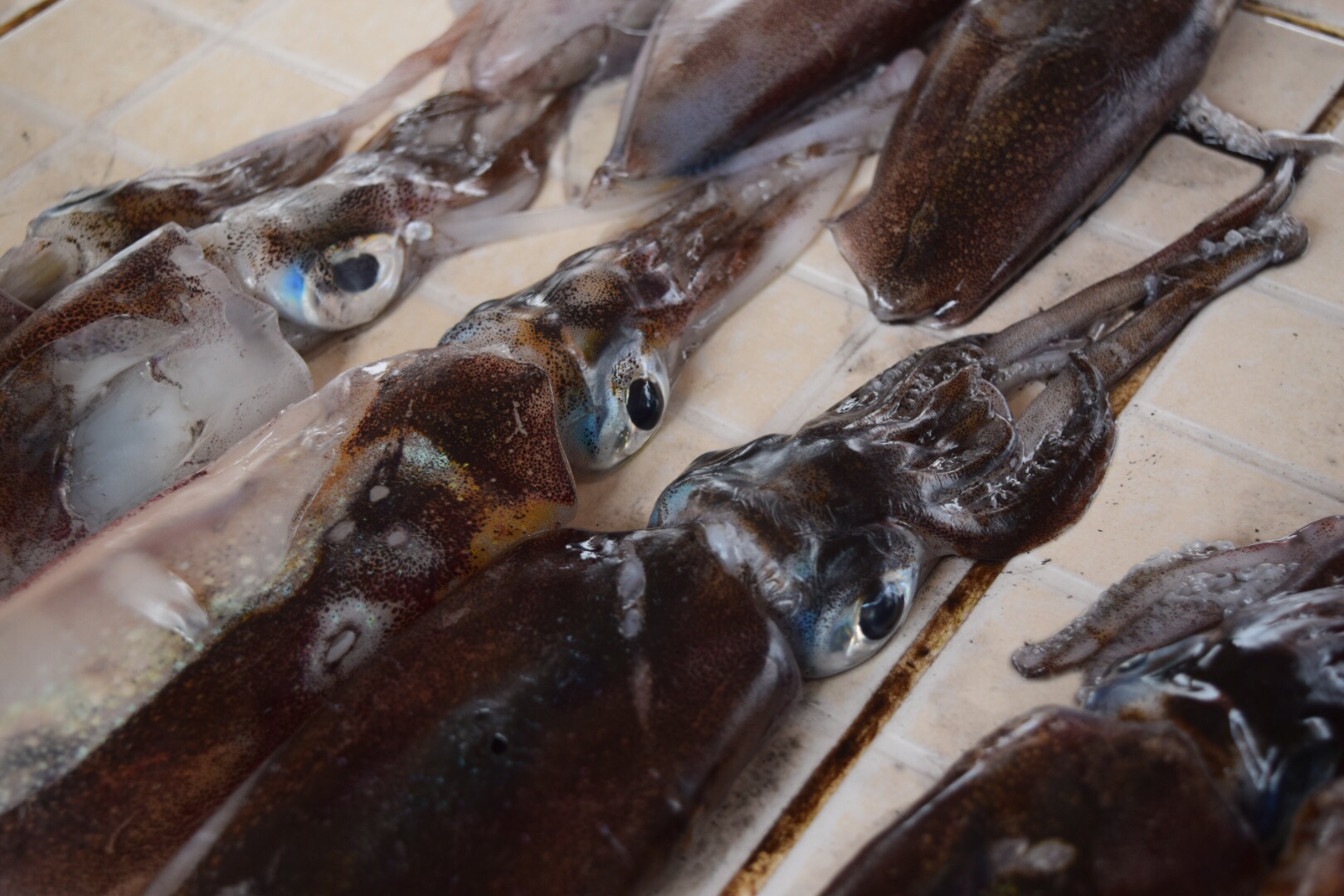 and sea urchin.
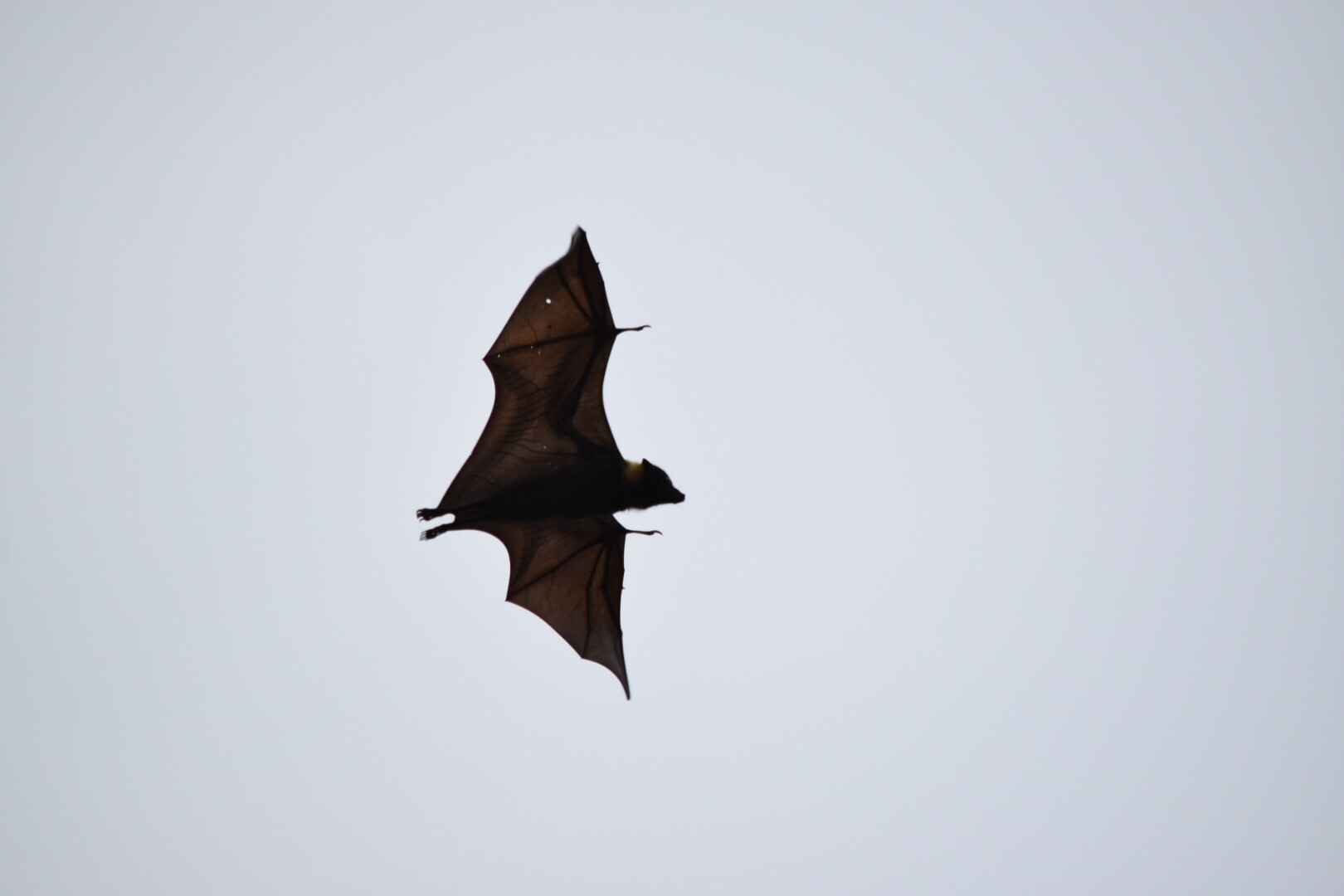
 We found some flying foxes…
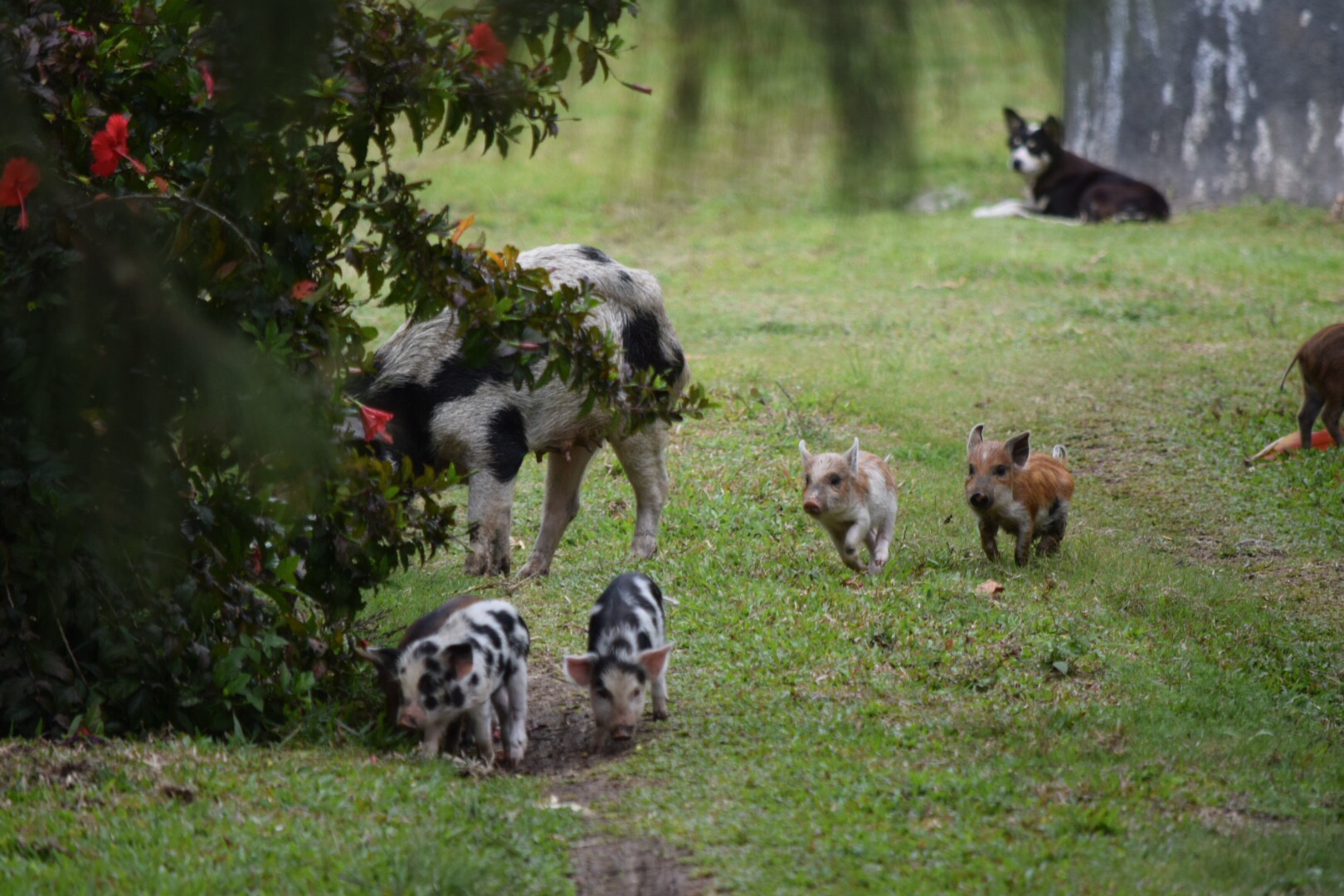
 And some piglets. As a side note, there were tons of street pigs. Per our driver, Tongans raise the pigs and treat them very well, like they are a beloved pet… but then they don’t mind eating their delicious friends.
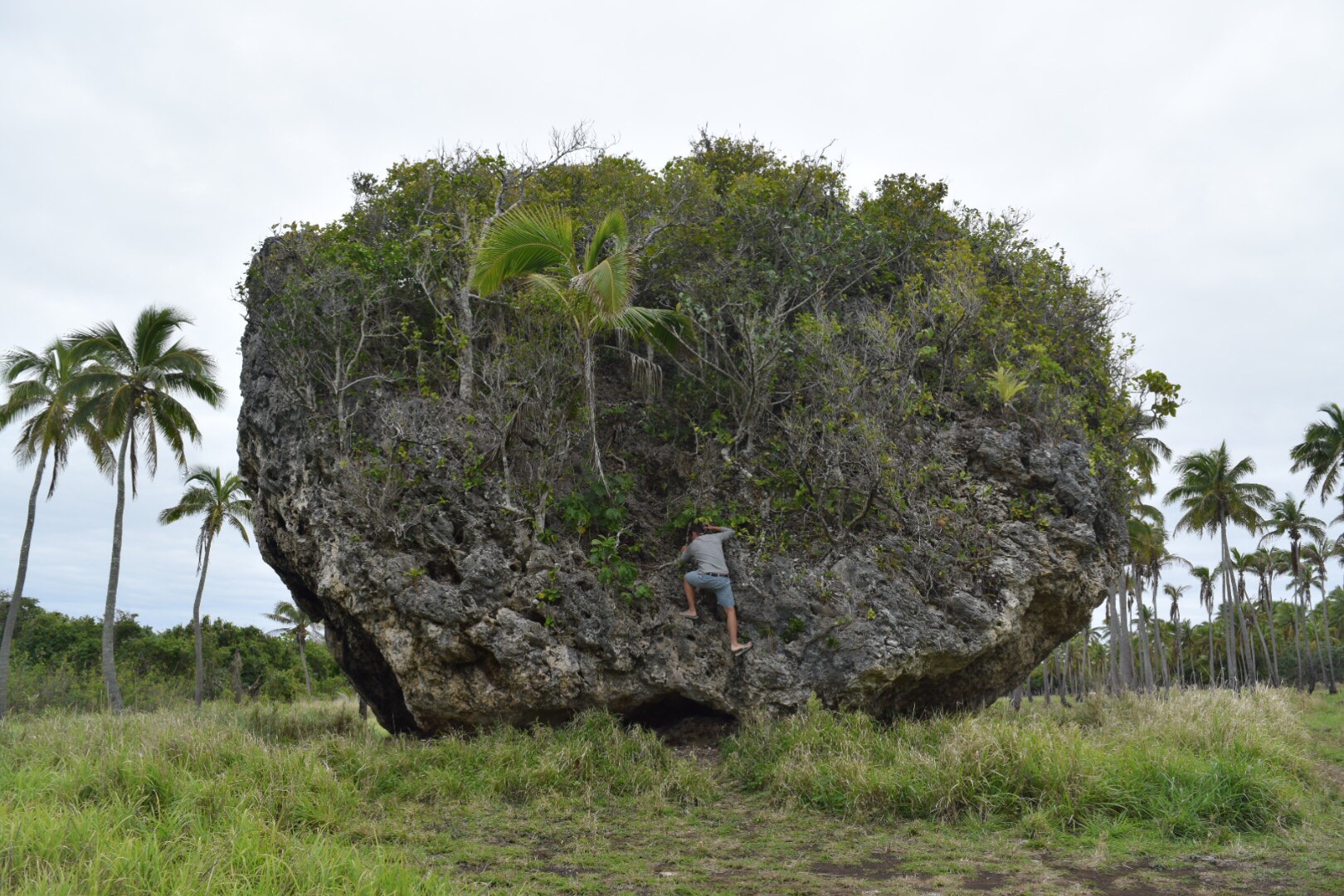
 We climbed “tsunami rock” so named because it was hypothesized that this size rock had to have been dropped down by a tsunami. Our theory is that softer rock surrounding this nugget of fossilized coral was eroded away.
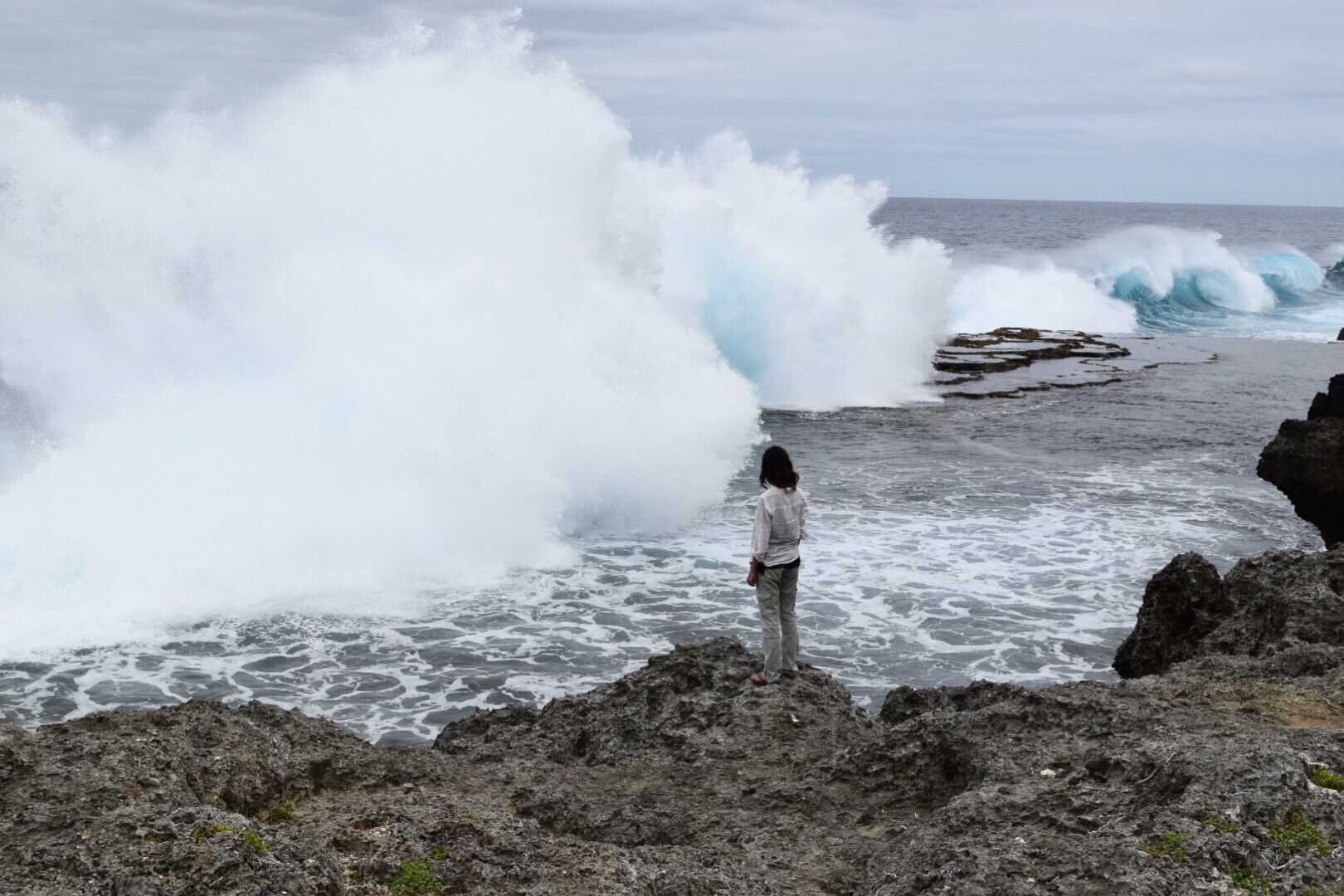
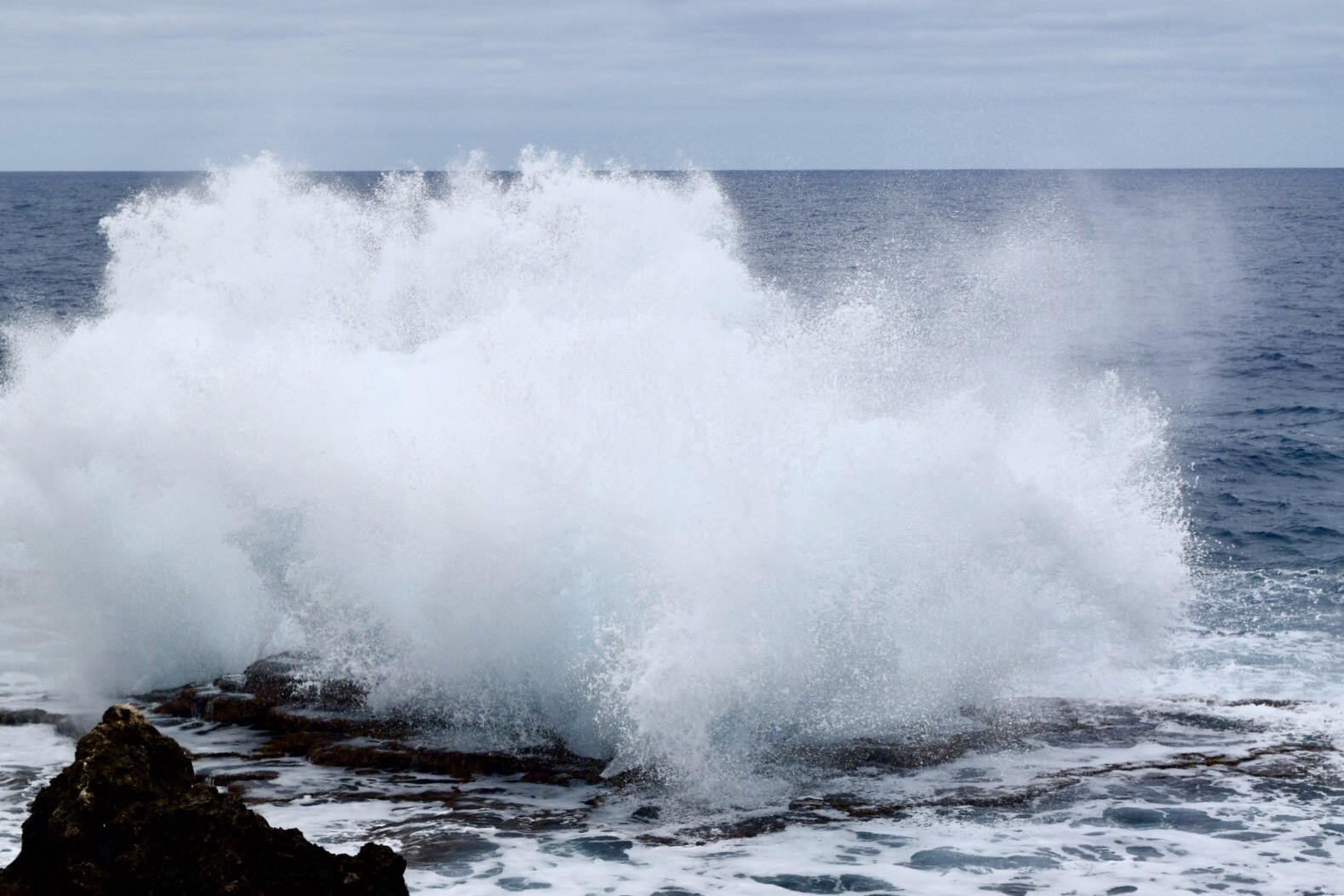
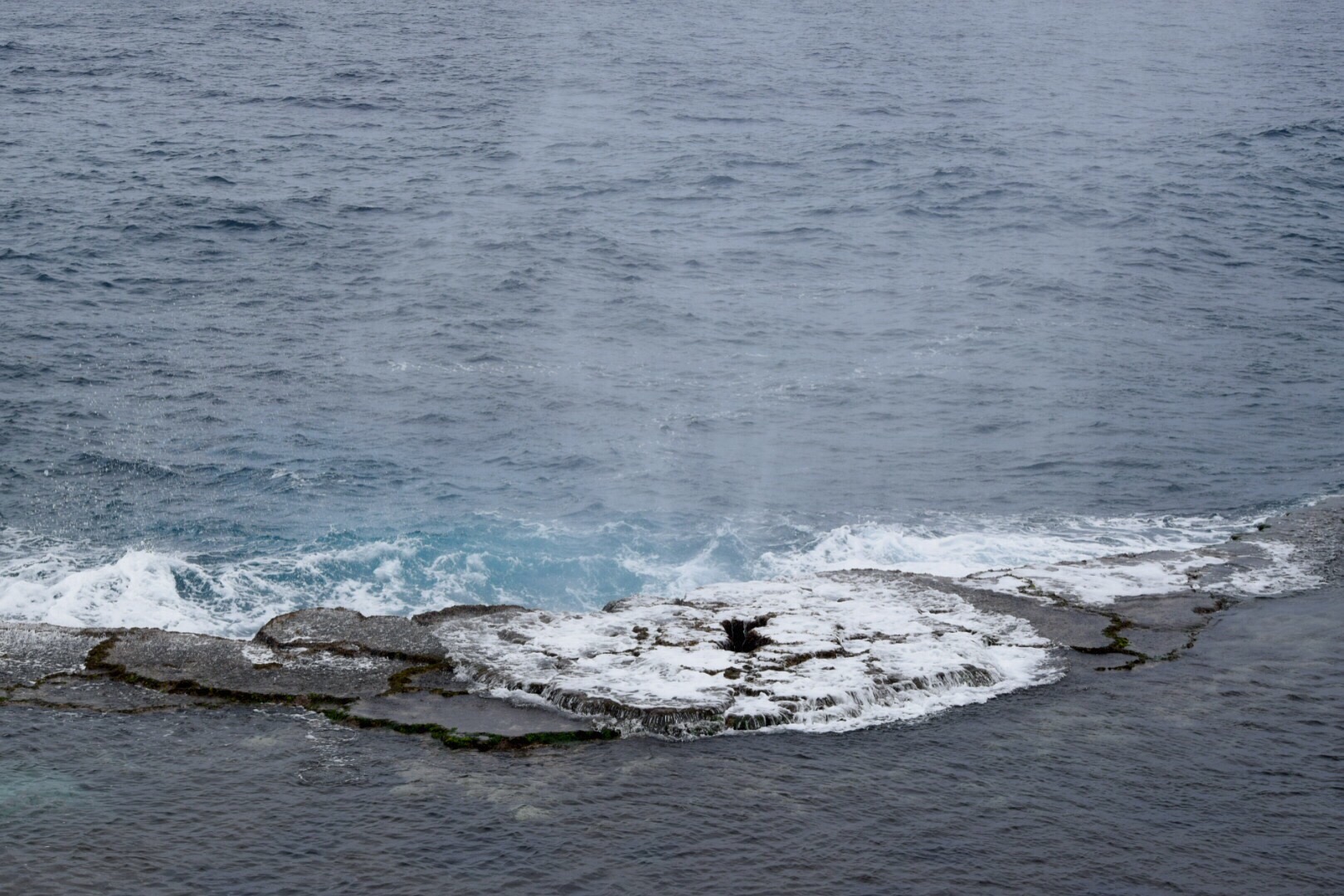
 Then we watched the blowholes, an amazing display of oceanic power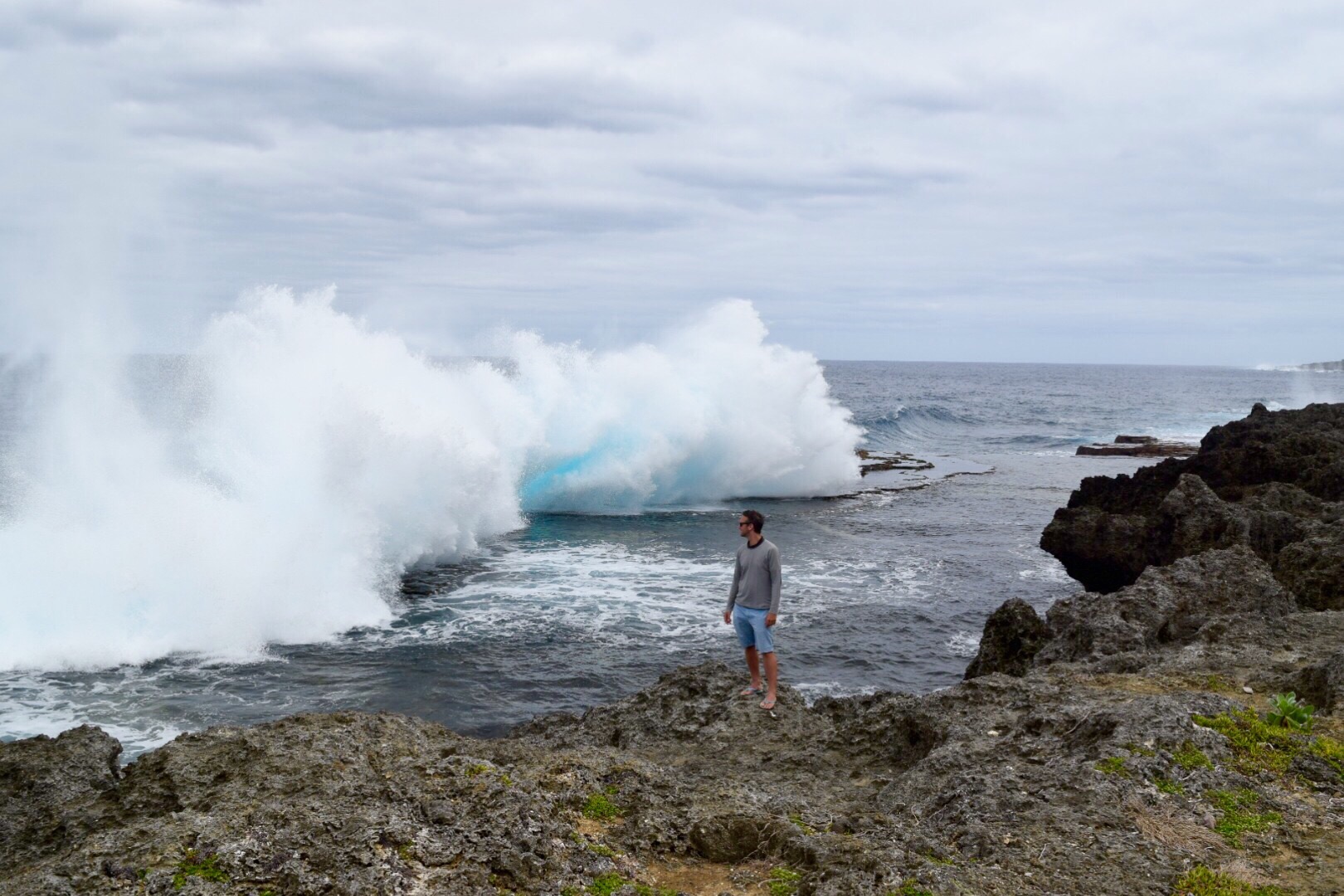
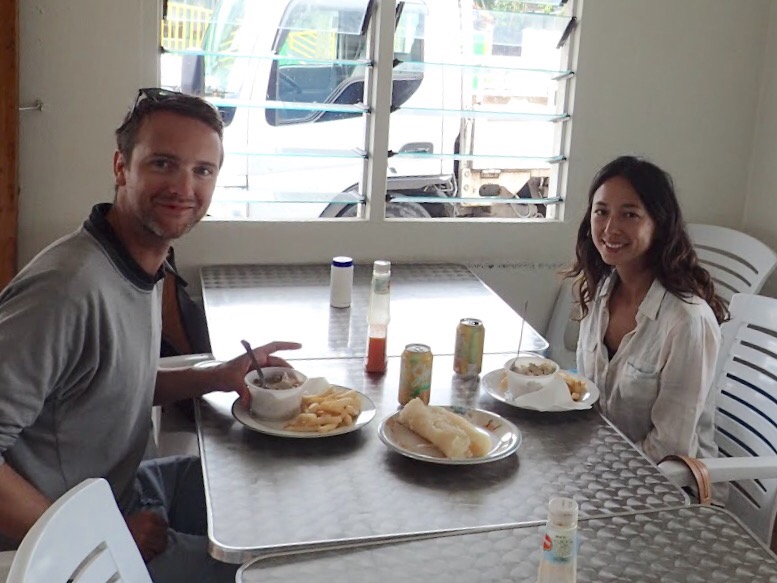
 We capped it off with a lunch of lemon shark bladder soup.
 Before we knew it it was time for our flight to Vava’u!
 round the world in sixty days