After a successful wild animal photoshoot behind us (catch up with Serengeti safari posts one, two, and three), we headed south to the Ngorongoro conservation area. Ngorongoro means “hole” in the Masai language, which refers to an incredibly large crater (caldera actually). Surrounding the crater is protected land for the Masai people. The Masai can also bring their cattle inside the caldera to graze and drink water but can only be in one area and must leave each evening. The Masai do not hunt the wild animals, though their herds compete for the same resources. Below, Masai people in their Shukas.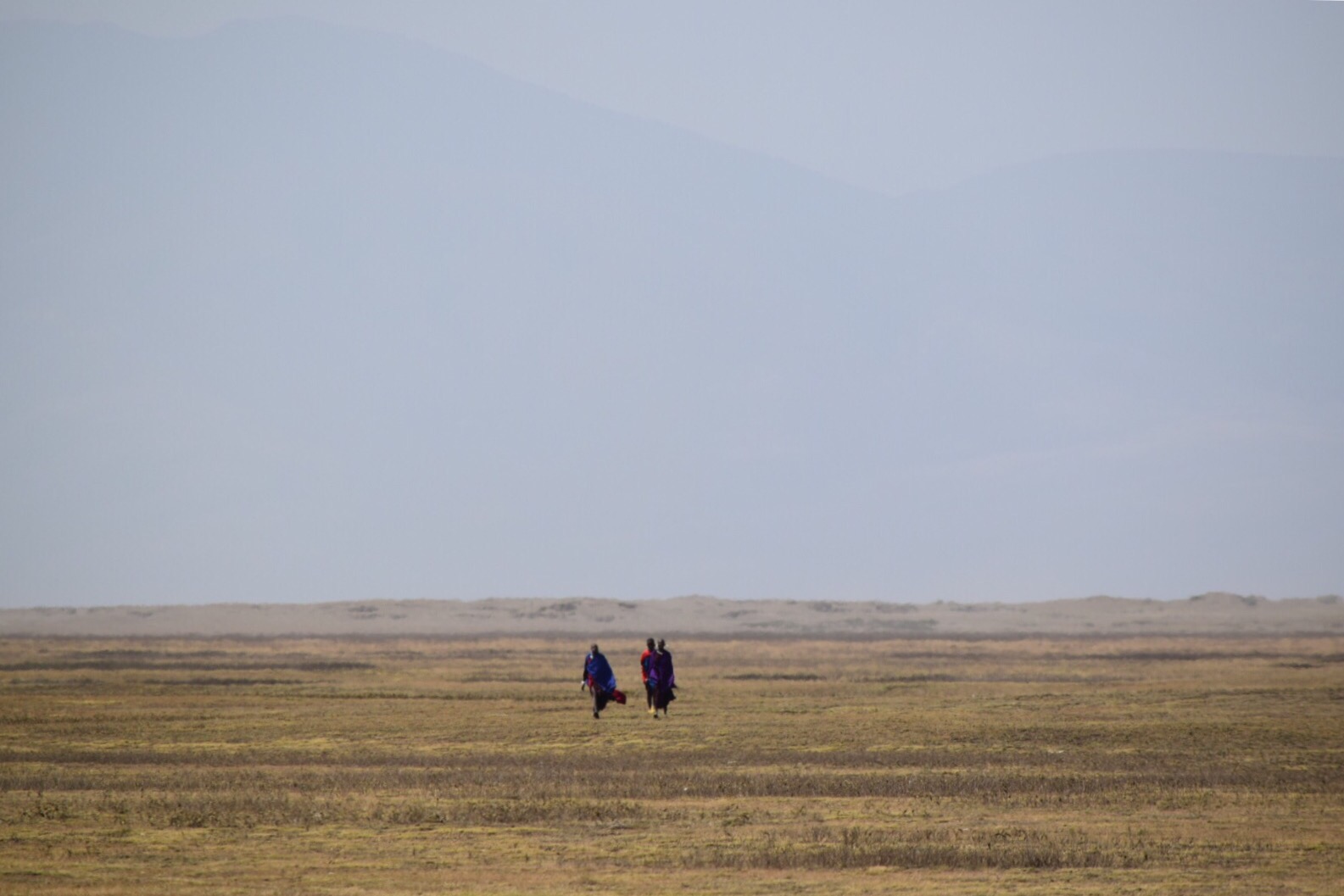 And with their cattle.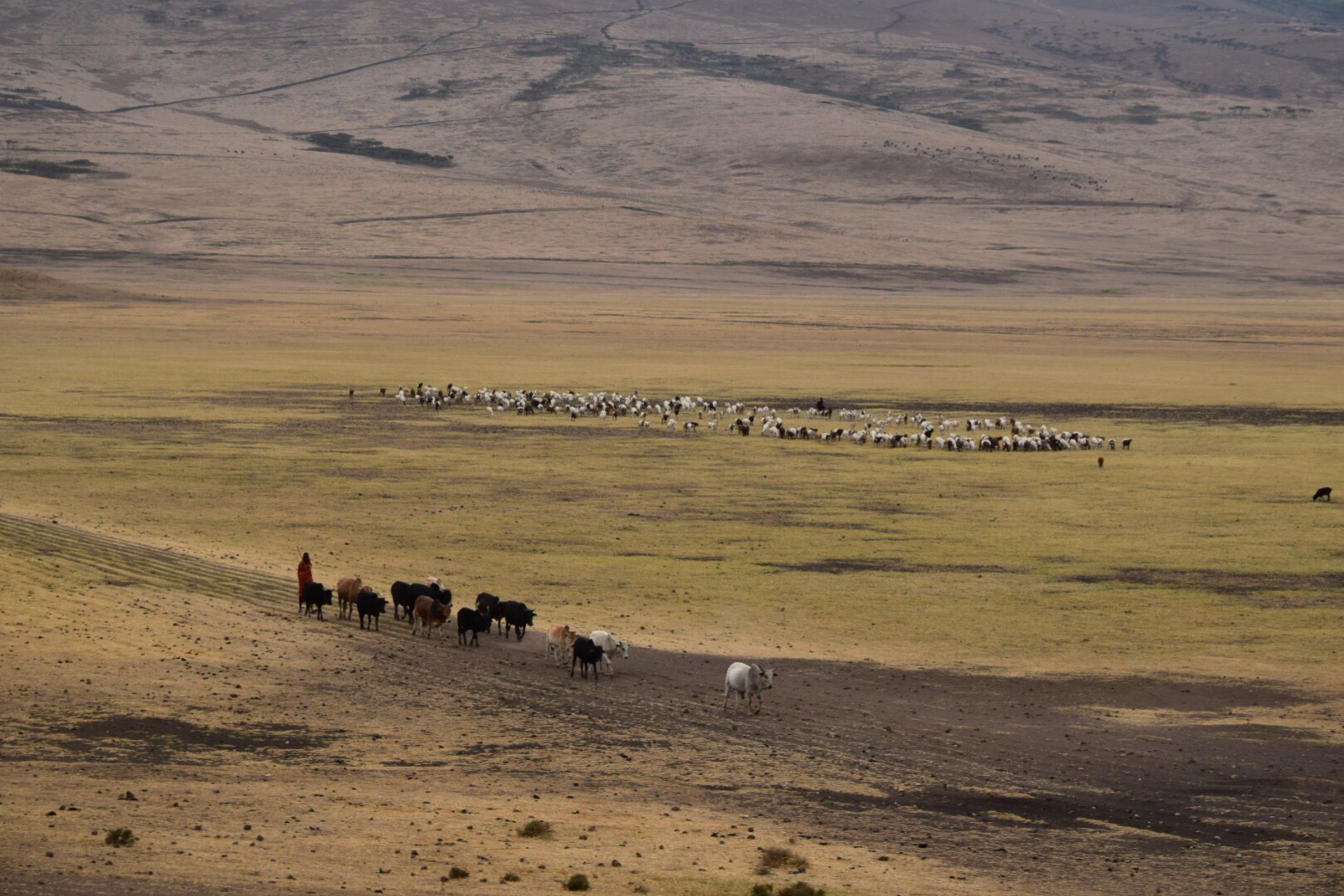
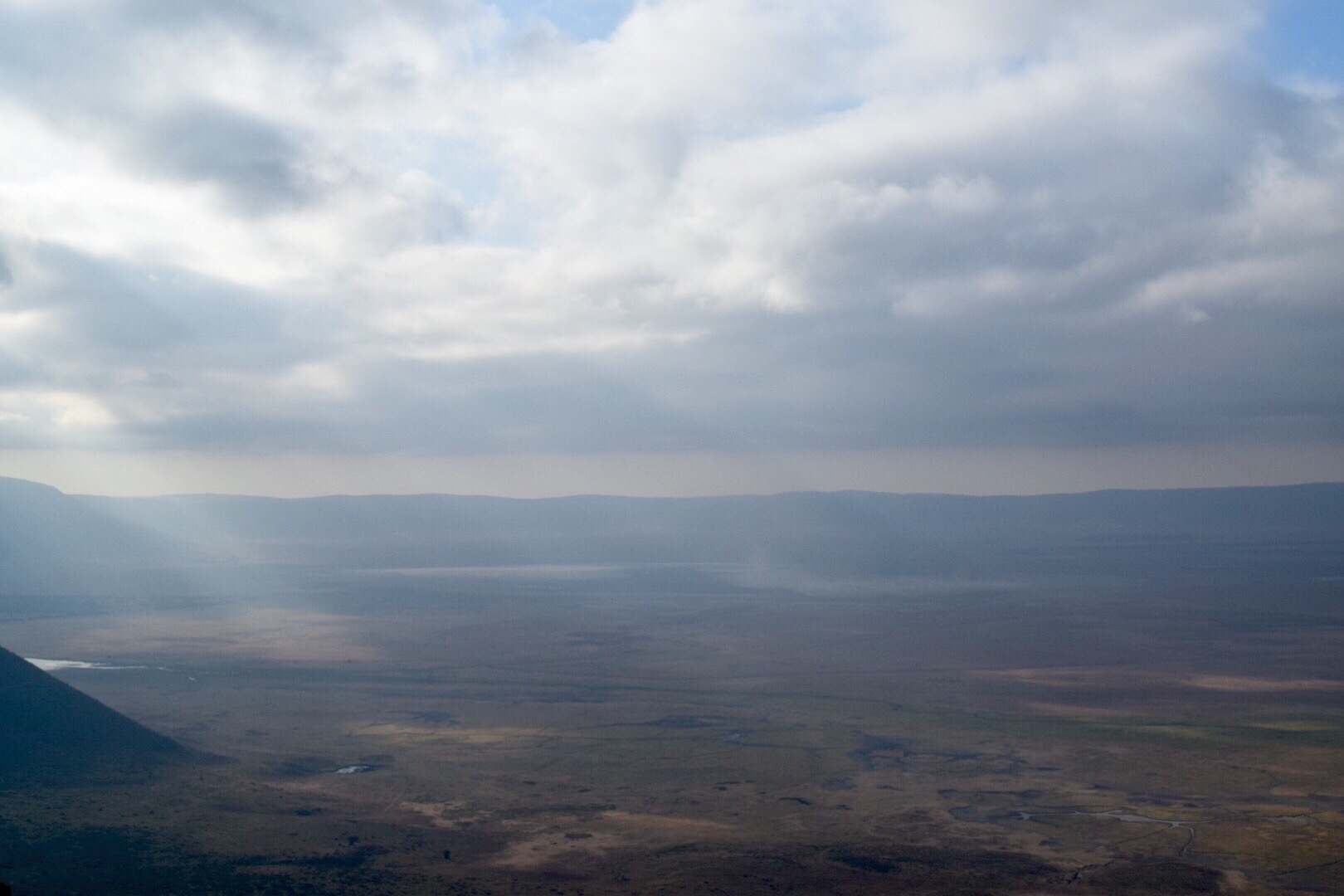
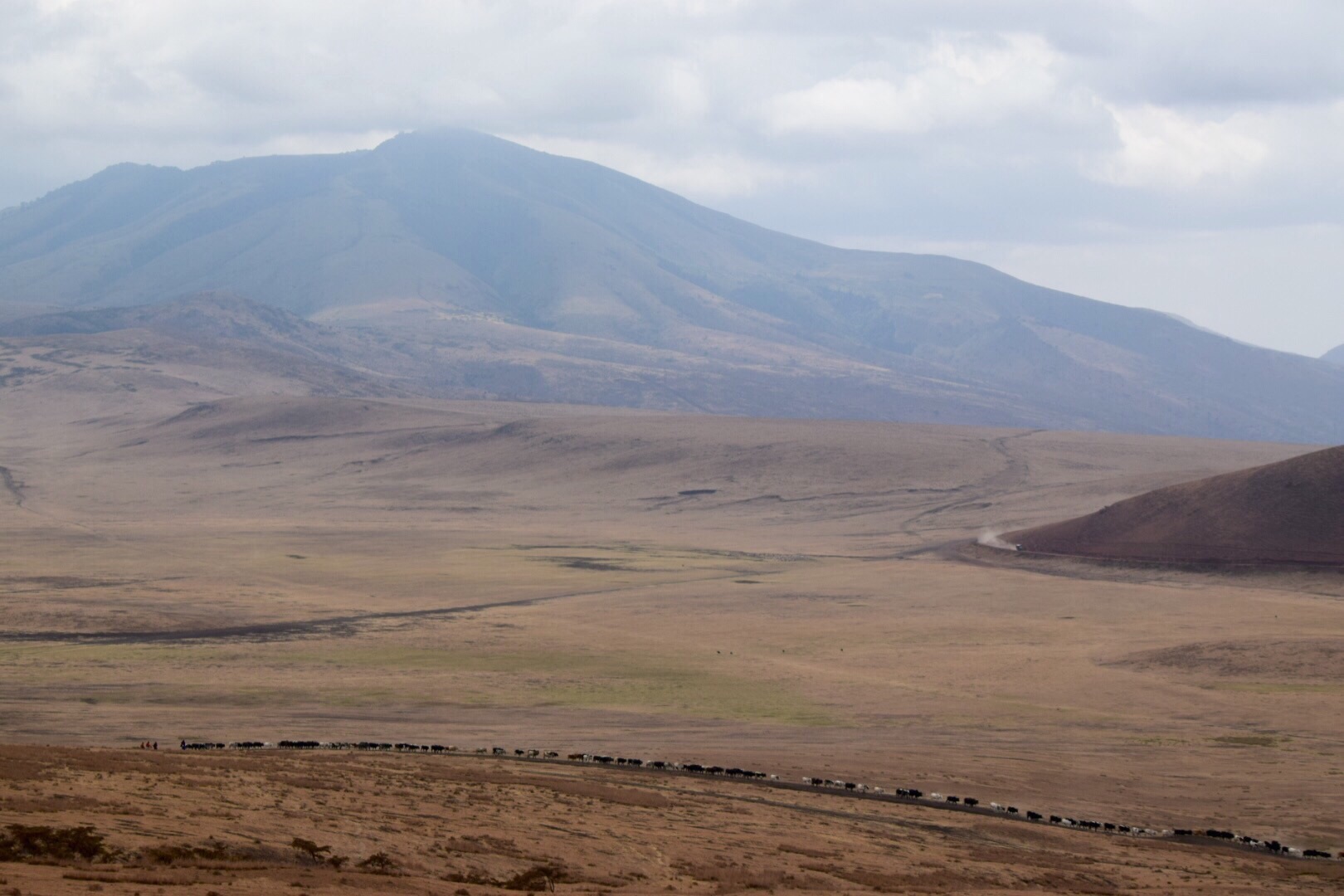 After staying at a hotel on the crater rim, we descended into a freezing cold caldera for a full day of safari.
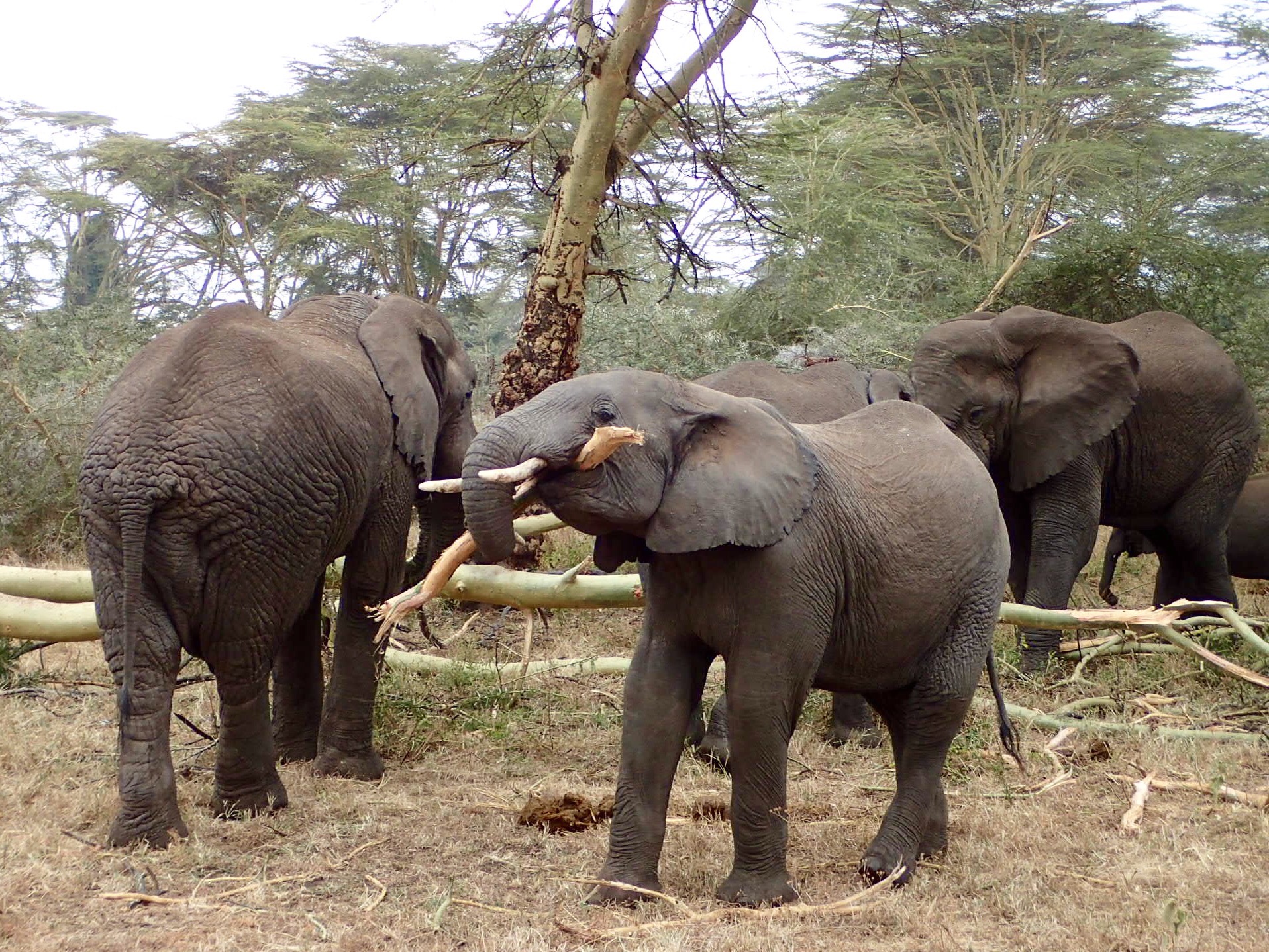
 Max, our guide, had told us there were no elephant families in Ngorongoro, as there wasn’t enough food supply to support a group. We were all surprised then to find a large family chomping away on some acacia trees.
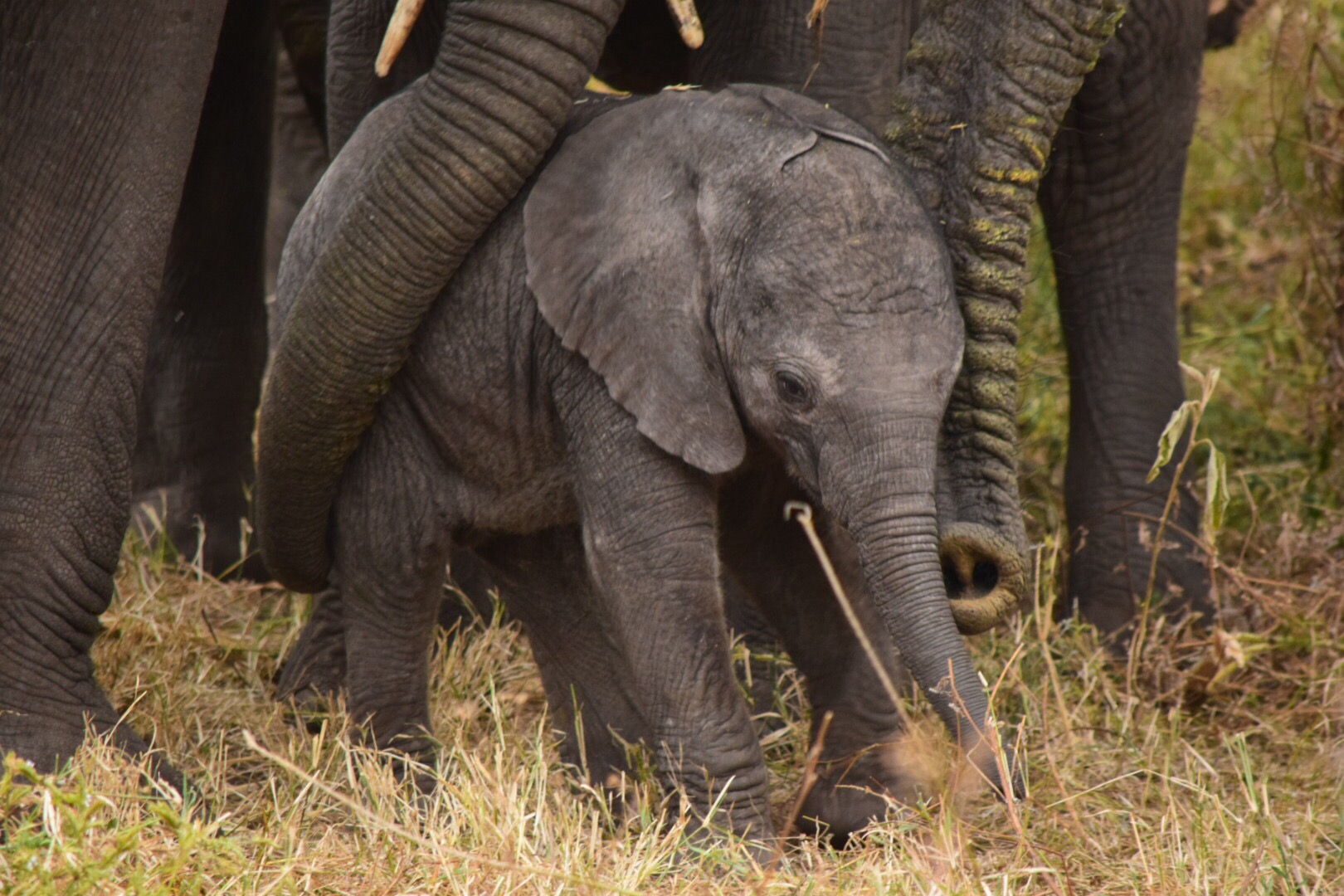
 They had a very young (2 weeks or so) infant with them. The baby would pick up sticks but didnt know how to eat them, so he stuck near the sure thing, mom.
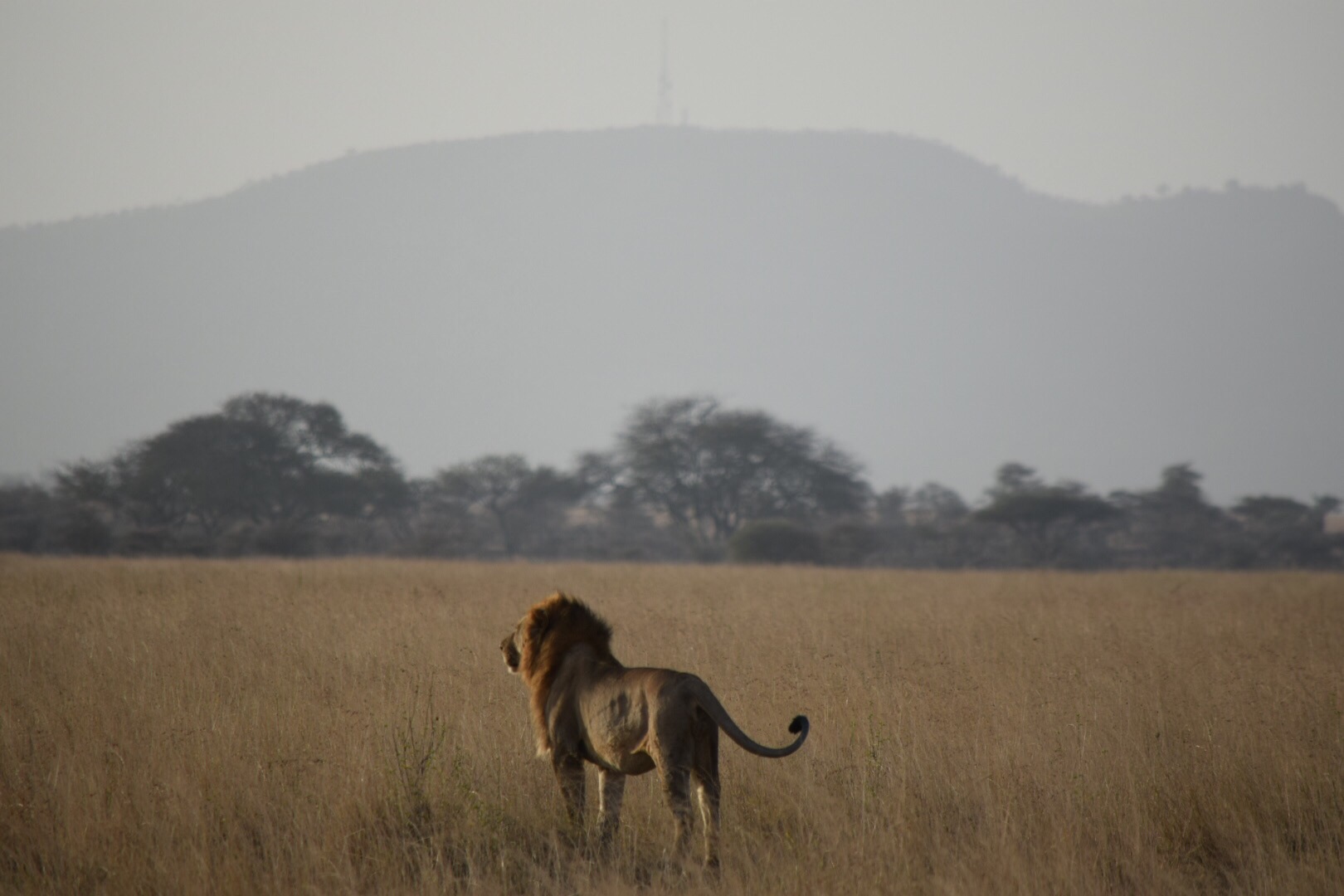
 We saw several lion groups in the caldera
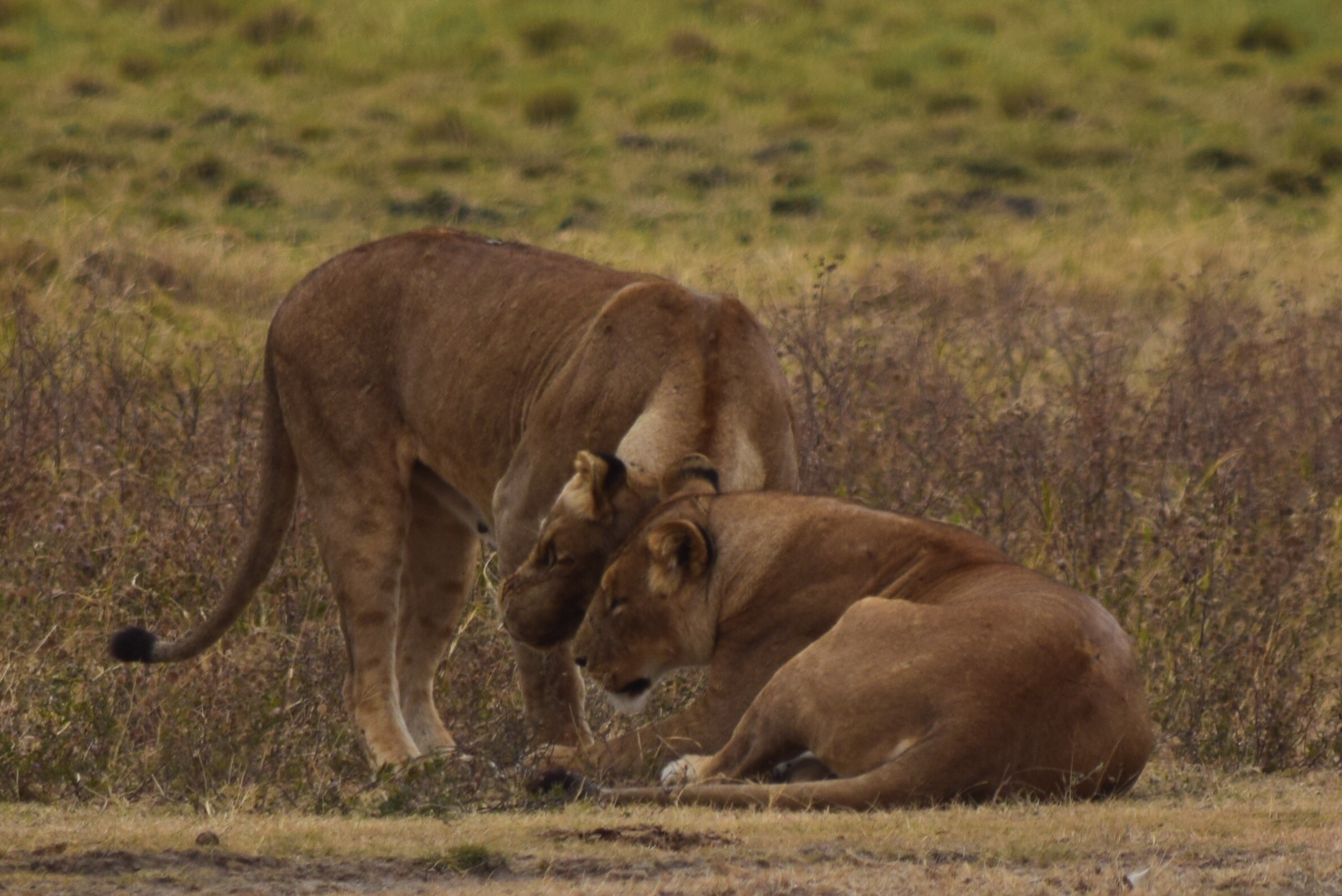
 But the highlight was a pair of hungry female lions who were stalking a group of zebras and gazelle nearby.
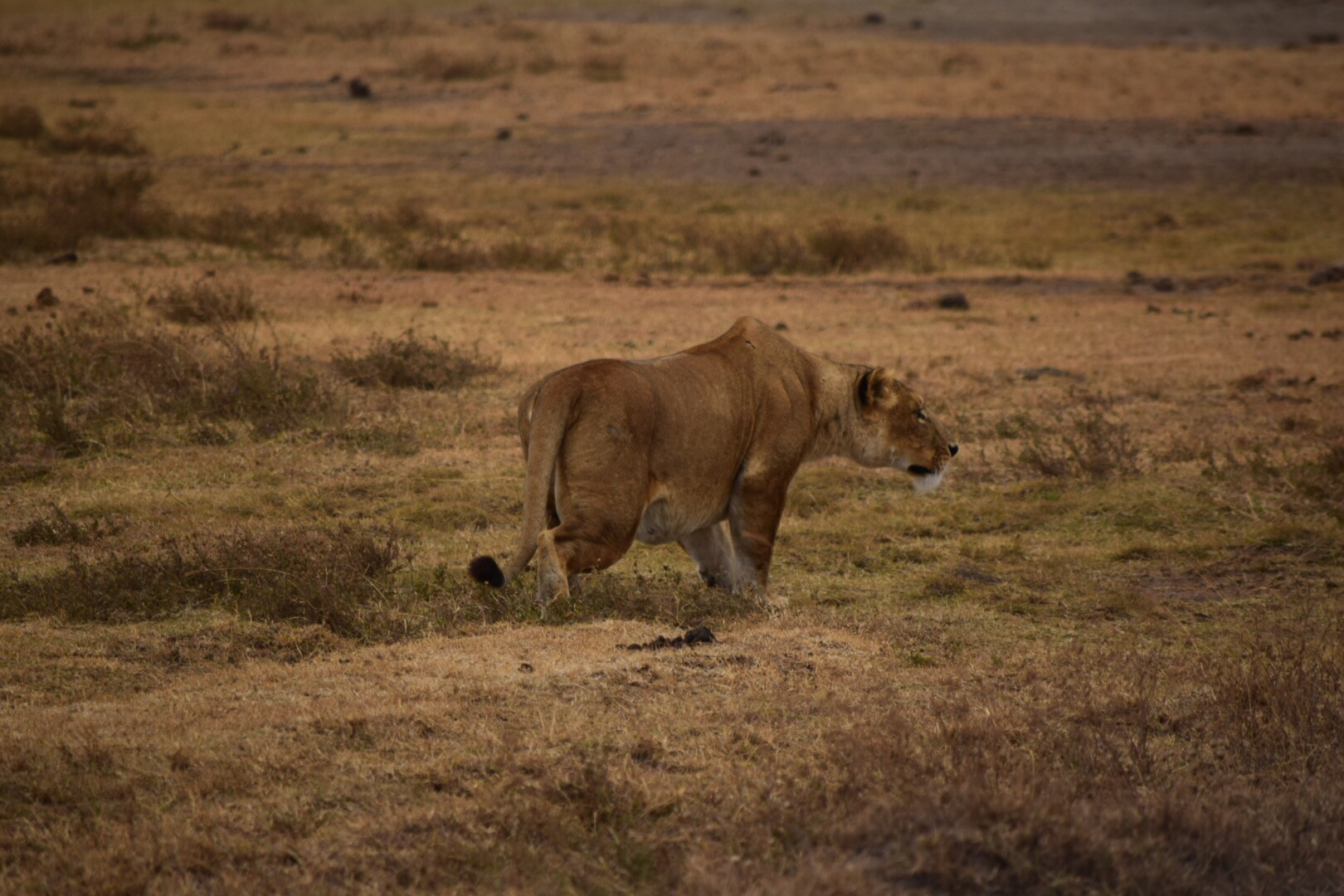 Unfortunately, the zebras and gazelles caught wind of the lions and moved out of striking range. Luckily for us, an old, crotchety, and probably near-sighted buffalo kept wandering right in front of the lions. He was oblivious to their presence, until finally one of the lions got the courage to chase off the dummy (Two female lions are not enough to take down a large male buffalo). It’s not every day you see a big five showdown.
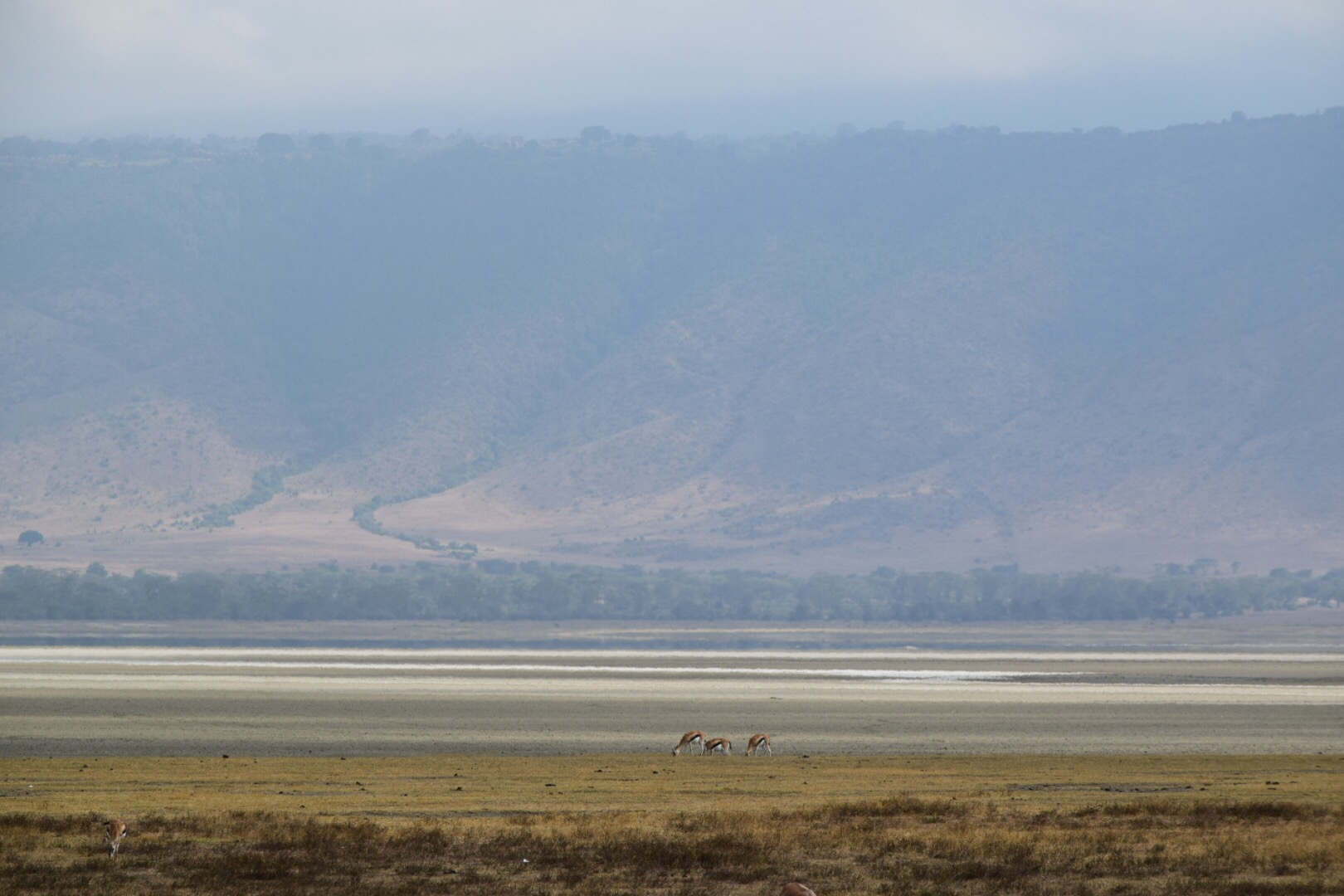
 The Ngorongoro crater is really a special place – it feels like the land that time forgot, geographically cut off from the surrounding area. Additionally it is a very ancient and historical area for hominids, as some of the earliest evidence (over 3 million years old) of our ancestors was discovered at nearby Olduvai Gorge.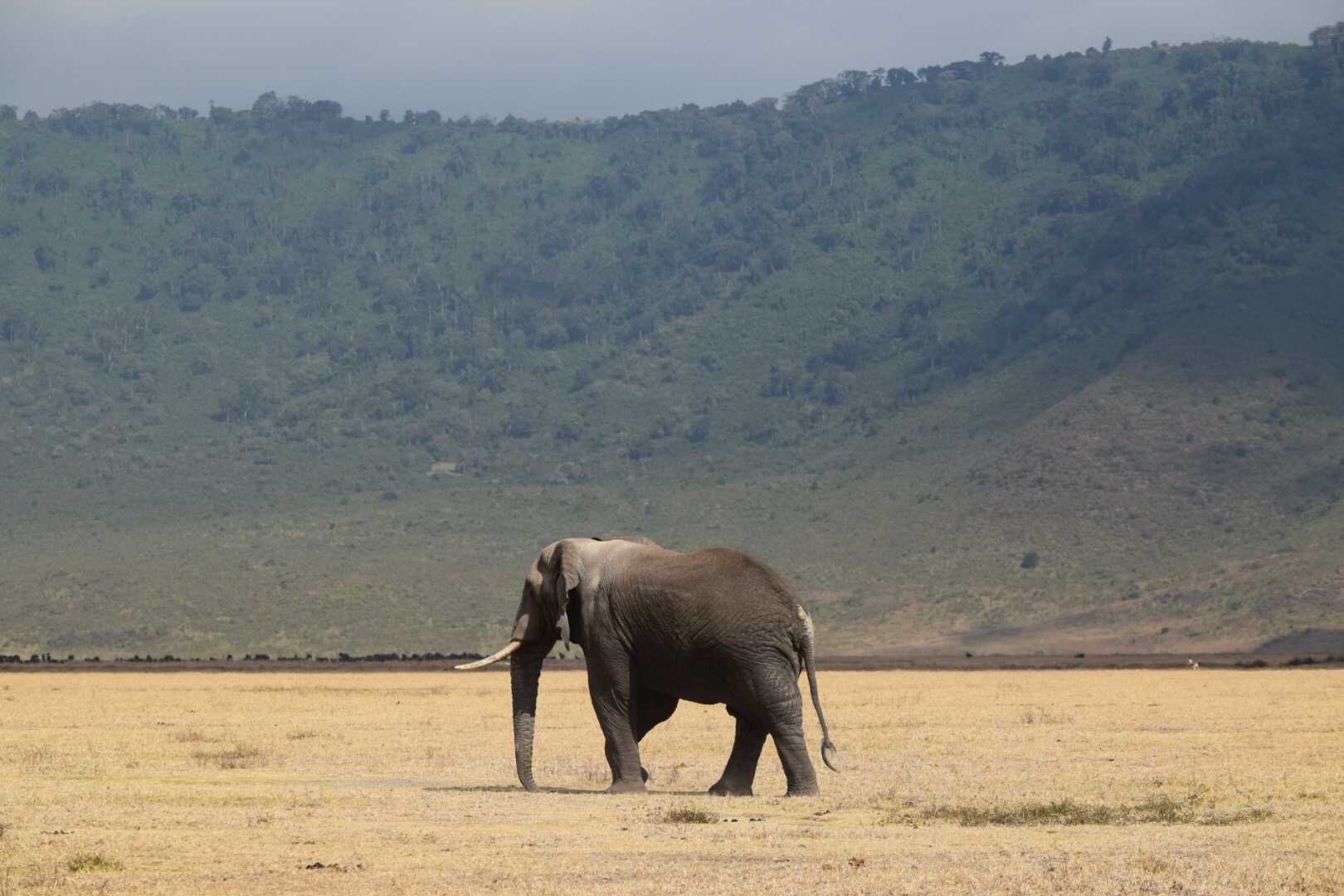
 The next day we visited a Masai village. We found the Masai people fascinating: Although clearly aware of modern culture (some had watches and cell phones and were well educated with fluent English), they were so proud of their culture and traditions that they chose to maintain them, living happily in what would technically classify as poverty. Their life is centered around their cattle, which used to provide all their nutrition (they ate the meat and drank the milk and blood). Currently however, their diet is supplemented by grain supplied by the government, which provides a safety net in times of drought.
There is too much of their culture to be fully understood or described by us, but we had a fantastic time singing and dancing with them, and getting to see a small part of their life. Here, the famous warrior dance, featuring competitive jumping.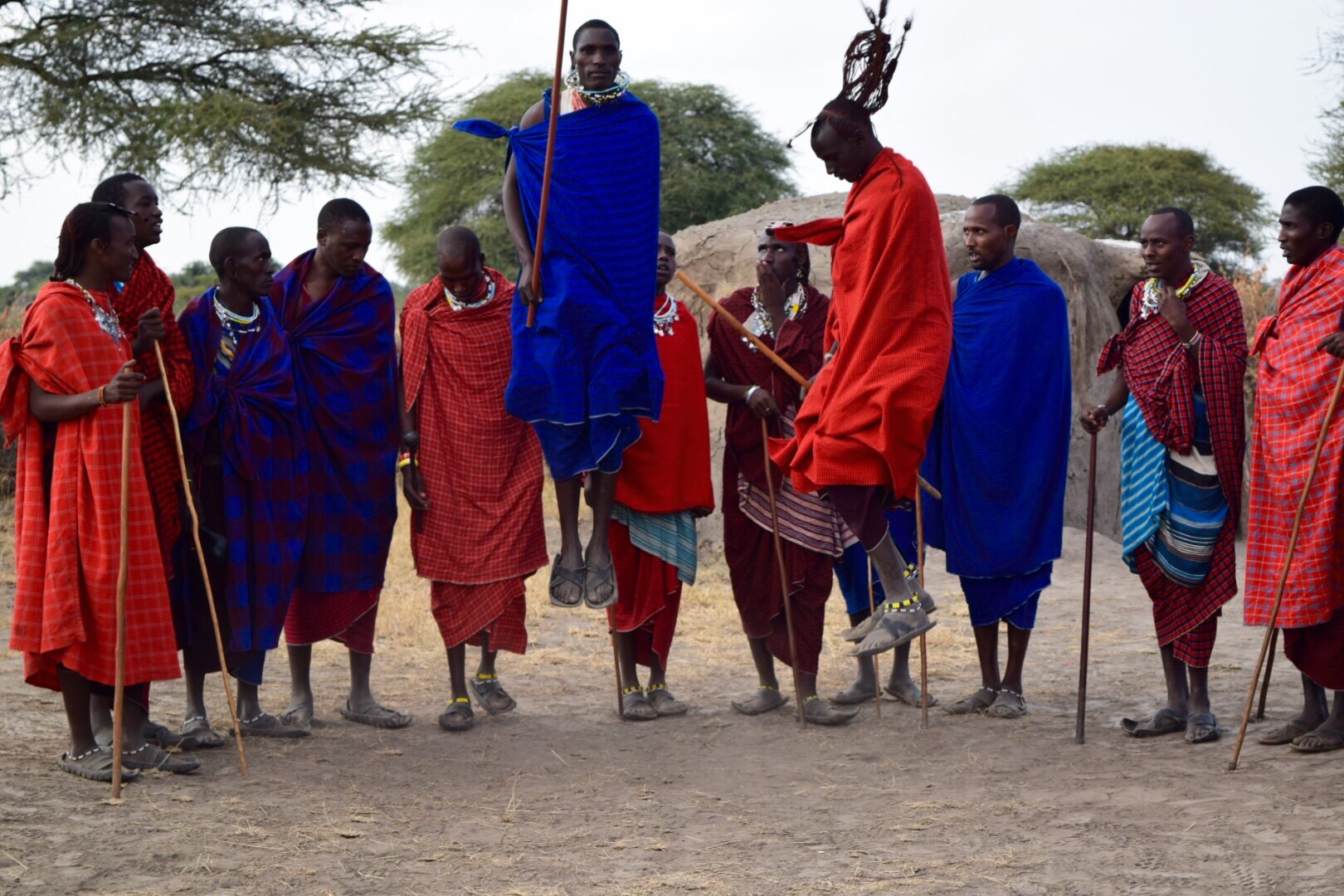 I gave it a try.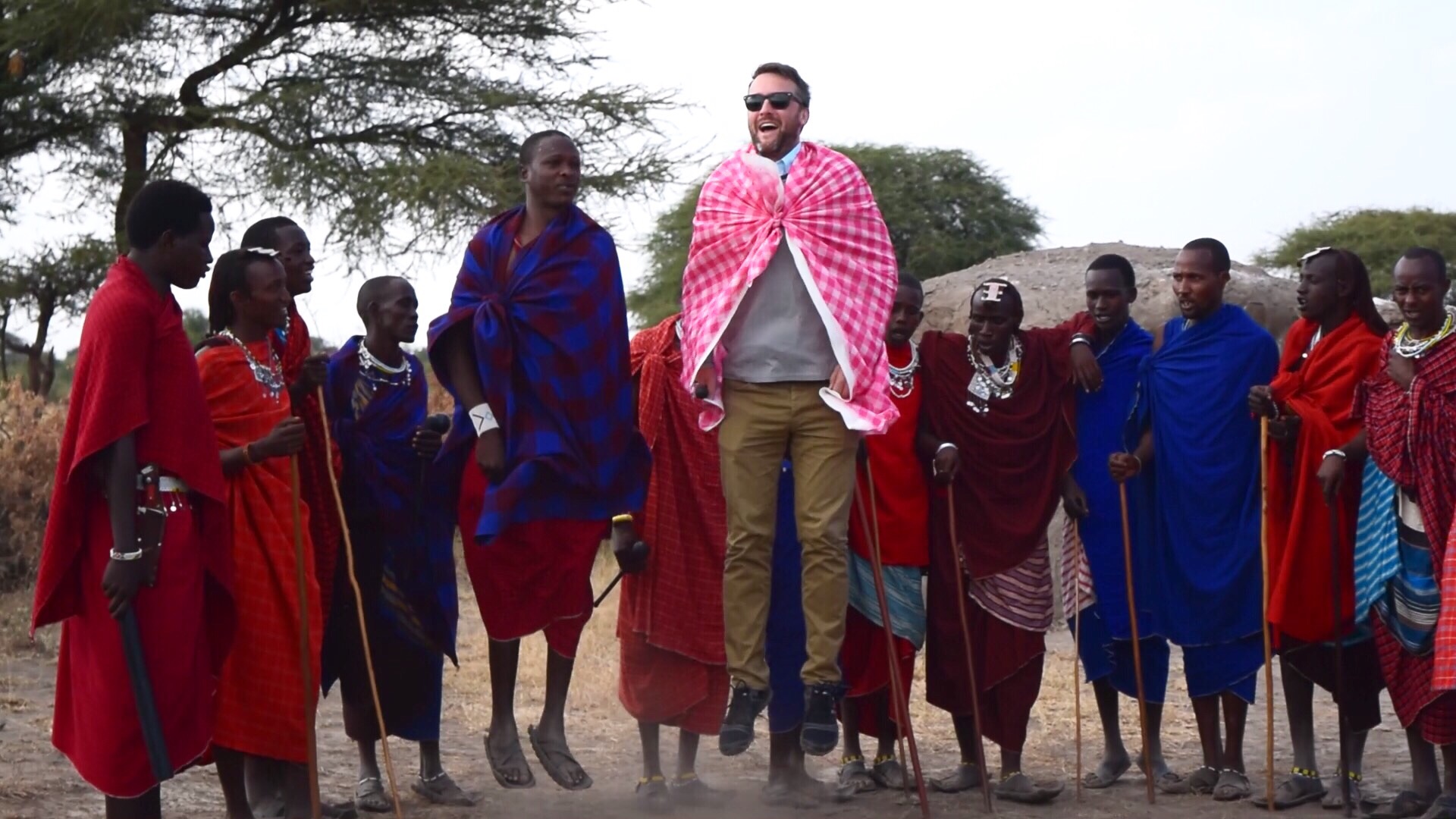
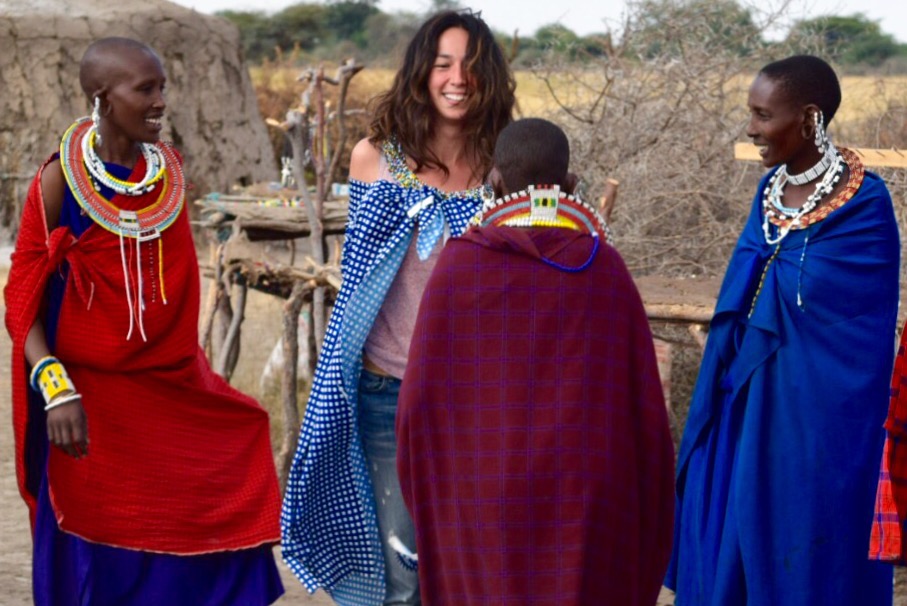
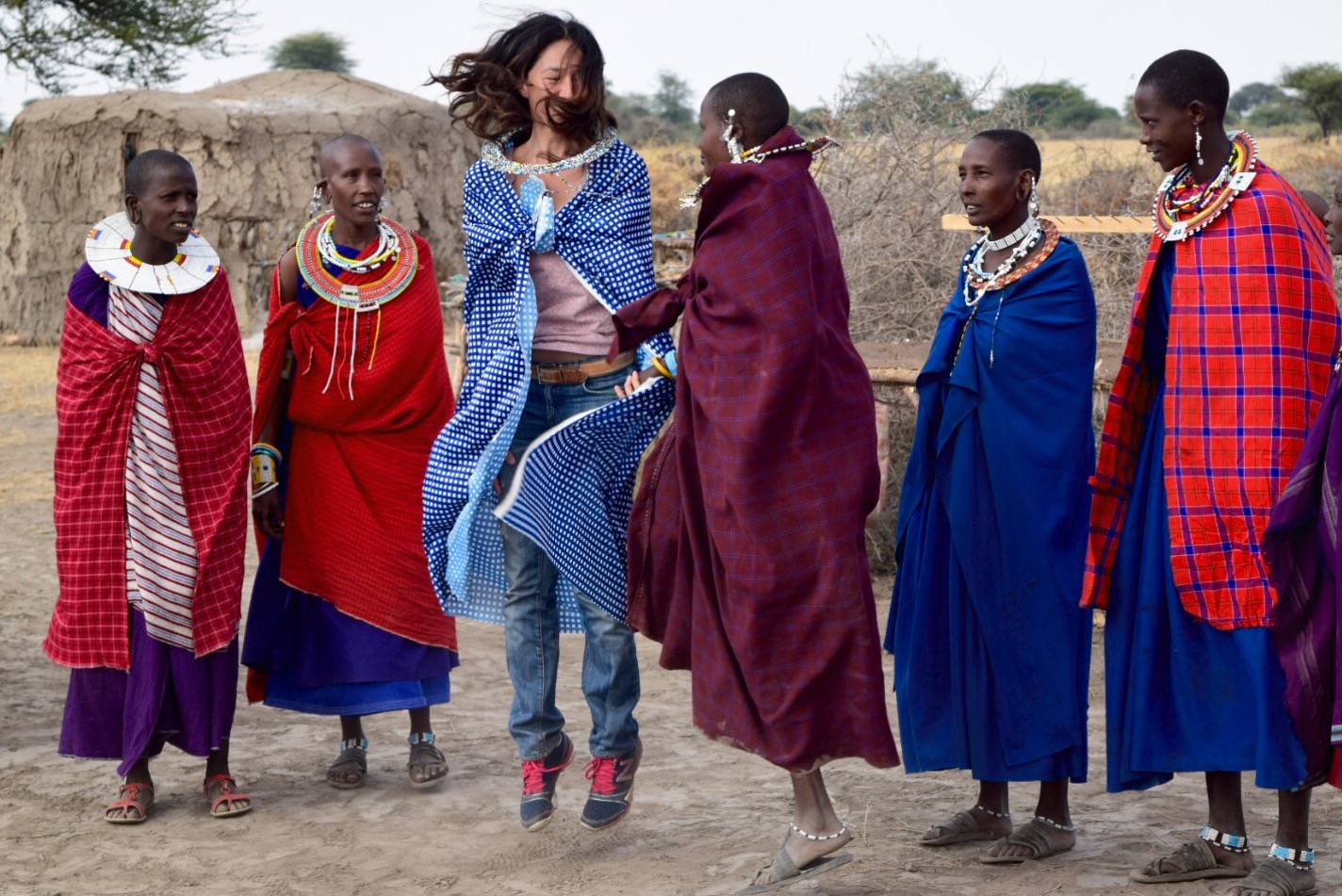 They are laughing because Jen had a wardrobe malfunction with her Shuka getting shaken loose by the jumping.
 The men started a fire in the traditional way, by rapidly spinning a soft wood stick inside a hole made in a piece of hardwood
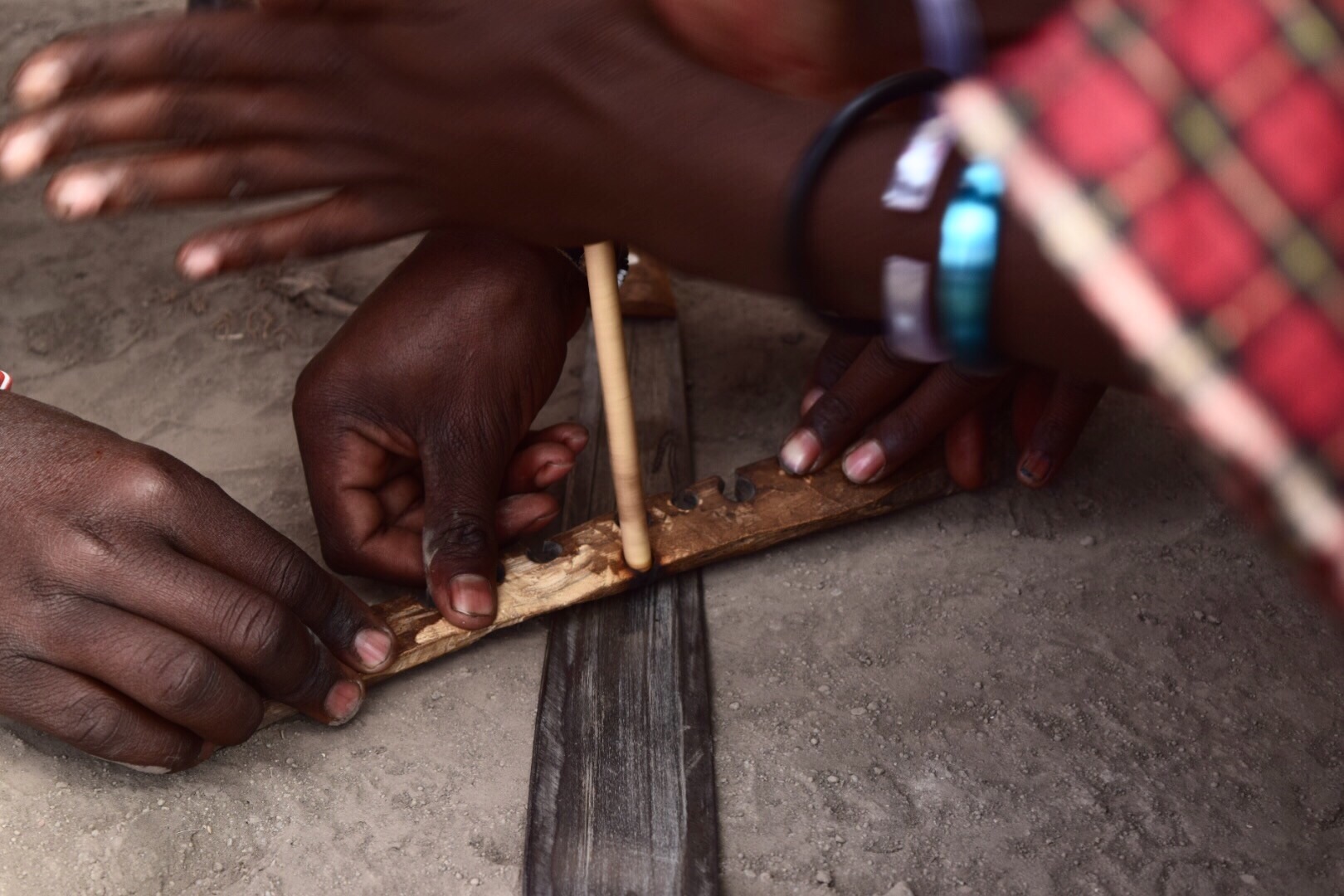 The embers are then folded into some dry grass until they smoke and ultimately flame.
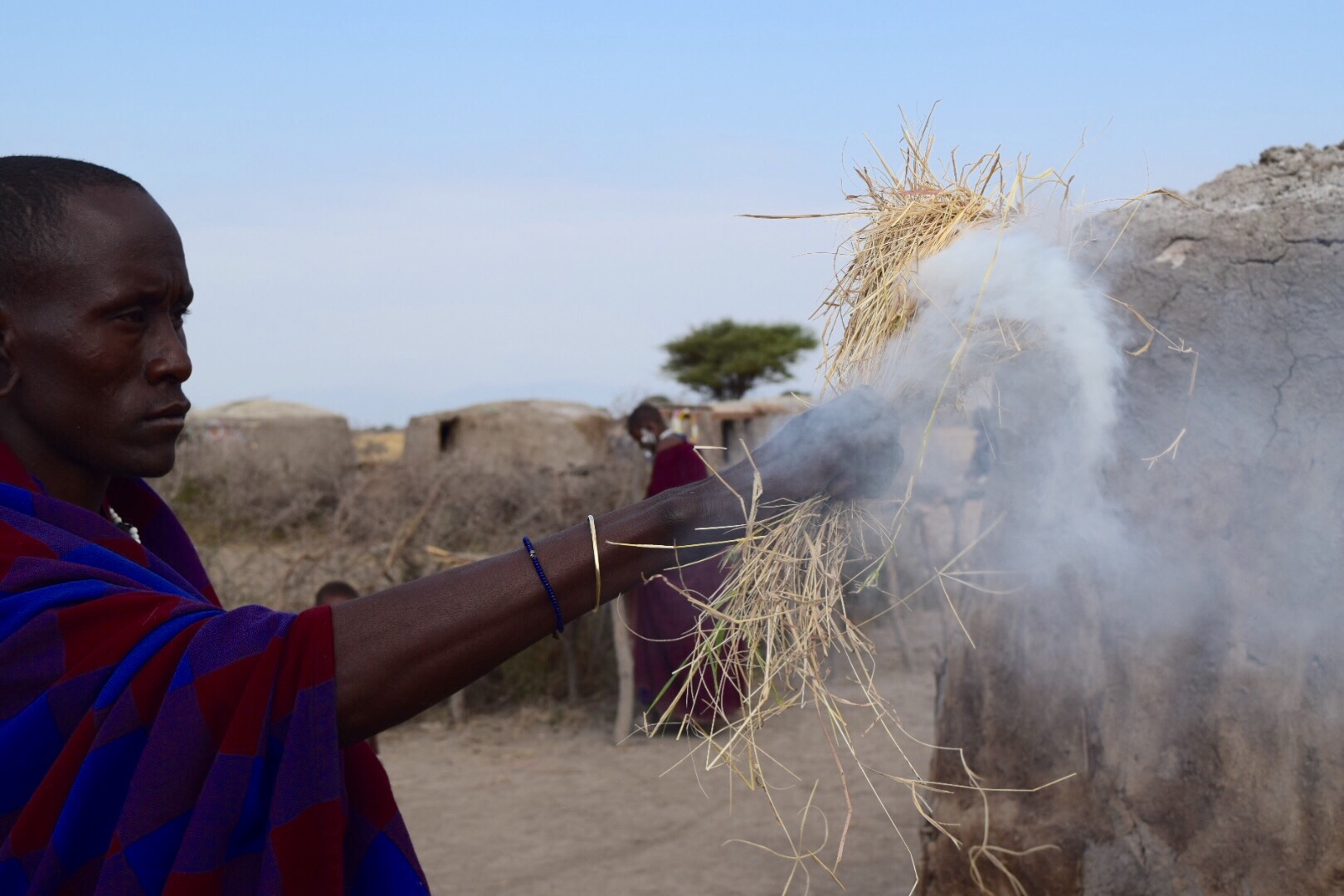 Impressive, although we suspected that when tourists weren’t around, they used a lighter.
We then checked out one of the traditional homes. The houses are all made by the women, who also do the cooking, cleaning, and child rearing. The older children tend to the cattle. We asked Max what the Masai men do, and he told us they just sit around and talk and drink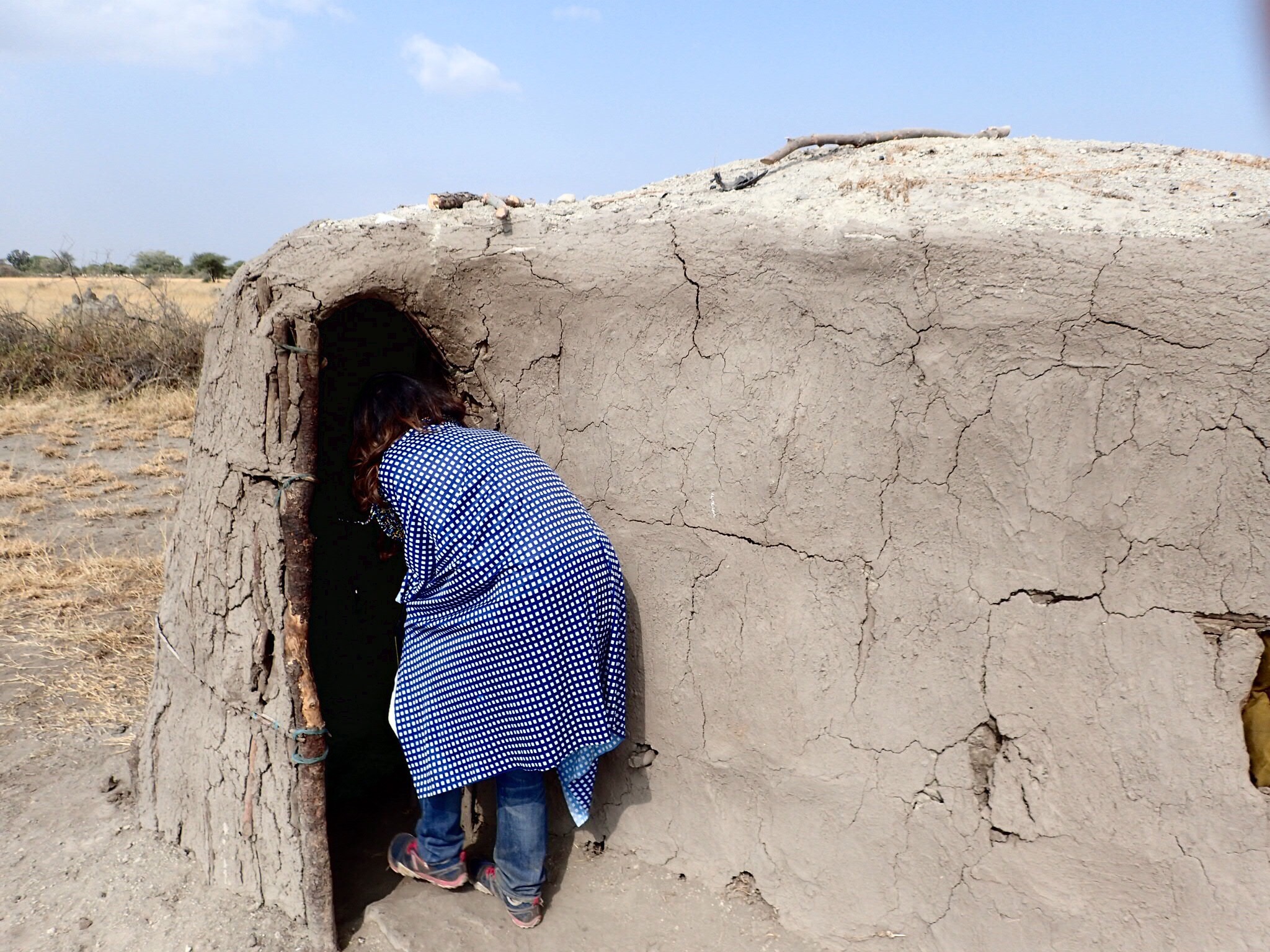
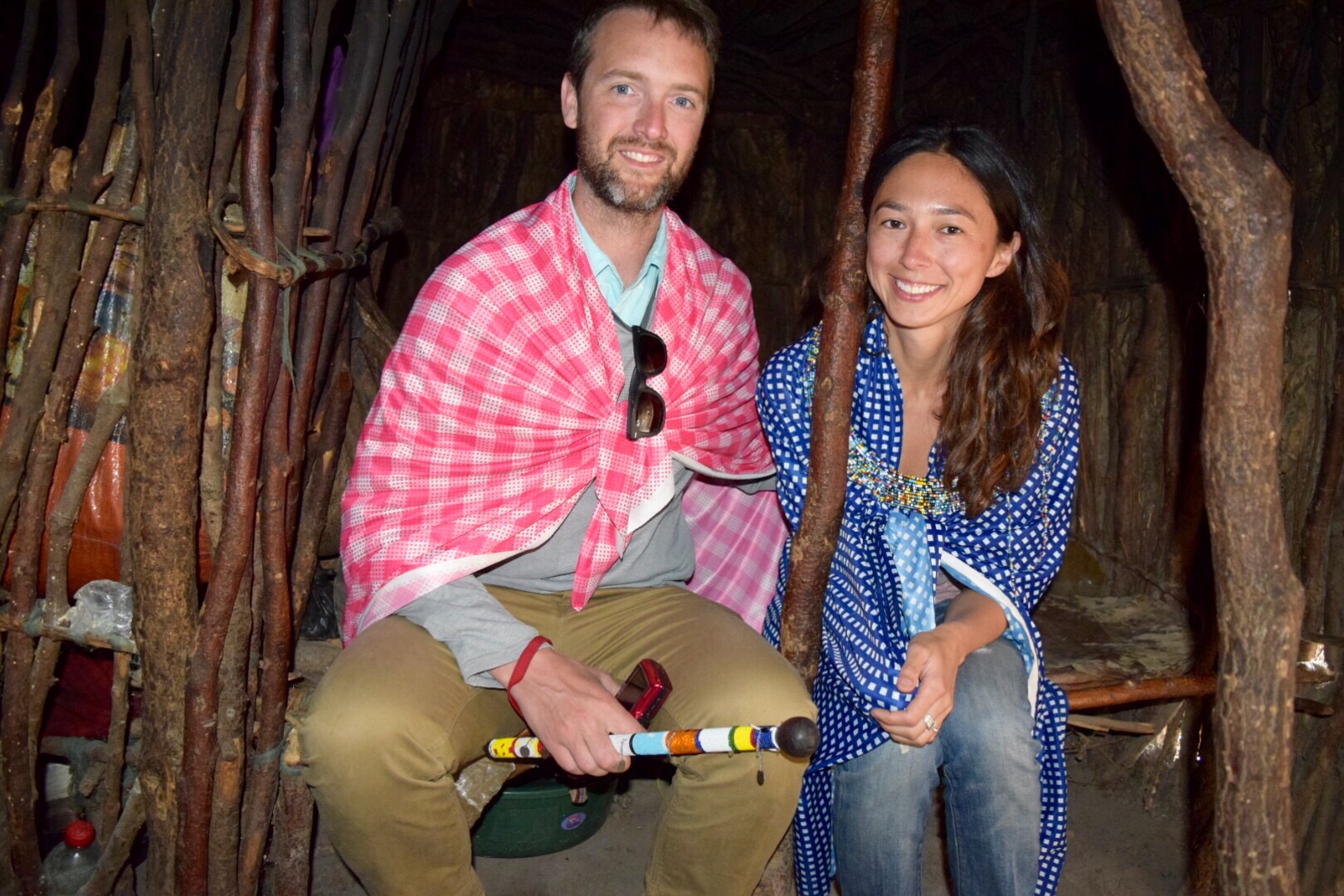 The Masai village visit sadly marked the end of the African leg of our trip. Tanzania – from your stunning geography, your beautiful animals, and the warmth of your people – we had the best time. On to India!
 round the world in sixty days
If some one desires expert view about blogging and site-building afterward i
advise him/her to visit this webpage, Keep up the nice work.
LikeLike